




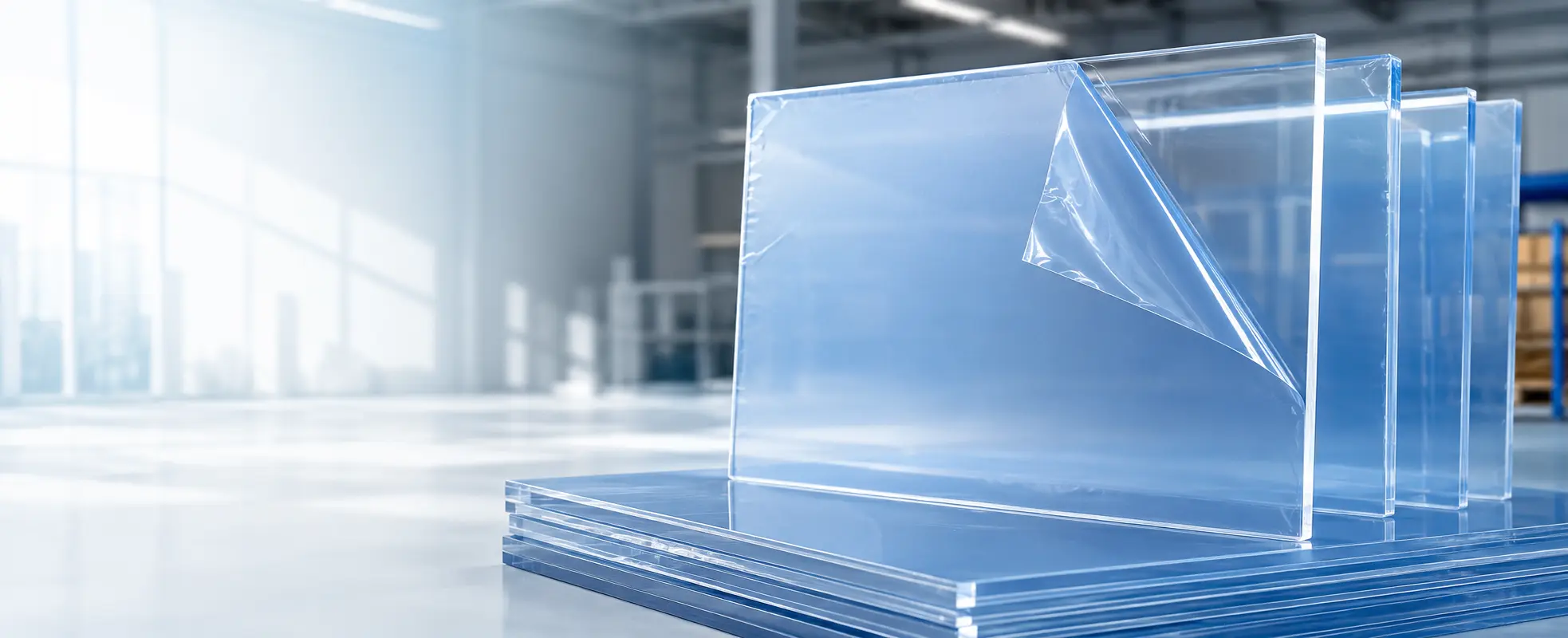
Versatile PMMA Protective Films for Clear, Damage-Free Surfaces
Polymethyl methacrylate (PMMA), also known as acrylic glass, is a tough, highly transparent material with excellent resistance to ultraviolet radiation and weathering. It can be coloured, cut, drilled and shaped. These properties make it an ideal material for various applications in areas such as architecture, electronics, sanitary ware products and visual communication
However, scratches can easily form during production and installation. Plashield offers a protective film solution tailored specifically for this scenario. Whether for cast sheets, co-extruded sheets, or processing steps such as laser cutting and CNC milling, our solution effectively prevents scratches and damage to PMMA. We also support comprehensive customization in thickness, adhesion, printing, and dimensions, providing you with a one-stop solution.
Where Acrylic Protective Film is Used?
Acrylic protective film is used across the stages where PMMA sheets are handled, processed, packed, or installed.
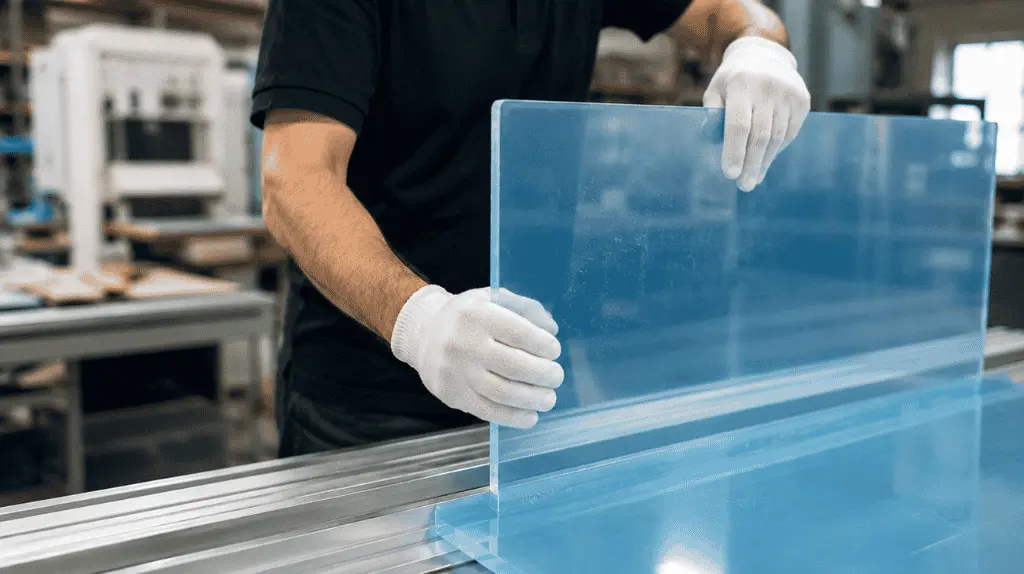
Plasheild Acrylic protective film effectively withstand the various stresses generated during sawing, drilling, milling, and processing with CO2 lasers. They offer excellent resistance to puncture, tearing, and abrasion, while adhering firmly to the surface both before and after processing. In addition, these protective films are easy to remove and leave no residue. They can even be reapplied, such as after a simple surface inspection.
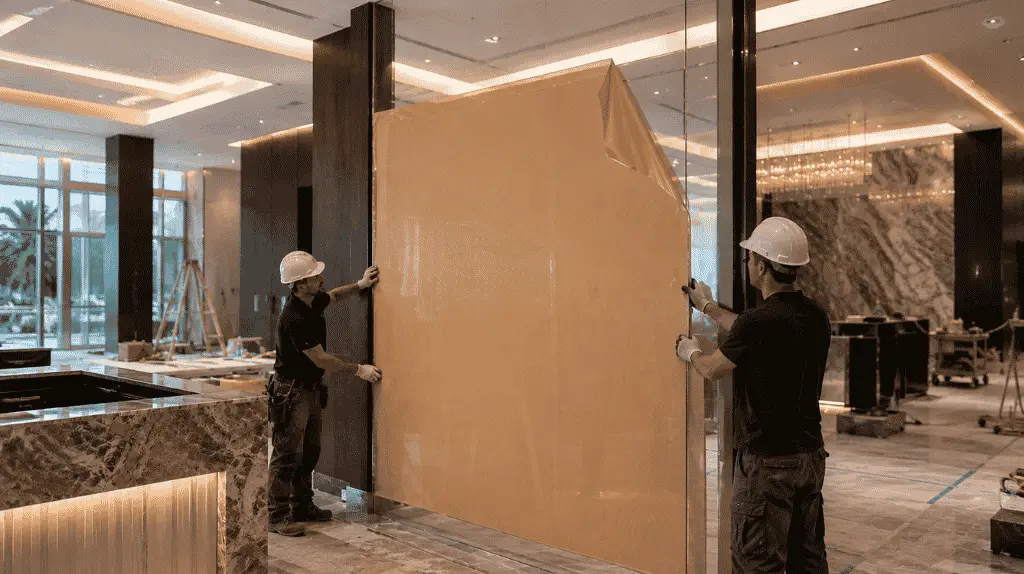
Extruded PMMA sheets can be used in a wide range of applications, from privacy glass, kitchen splashbacks, and shower partitions to billboards and marine portholes. Plashield acrylic protective film ensures that your PMMA products retain excellent light transmission and aesthetic appeal. UV protection can be added to ensure easy removal without leaving residue.
Technical Specifications – Protective Films For Acrylic
The table below shows the standard Plashield specification set currently mapped for acrylic and PMMA surface protection. These values should be used as a starting point for sample selection, not as a final approval for every acrylic grade or surface finish
| Property | Unit | PE Protective Film for Acrylic / PMMA Sheets |
| Base Material | – | Polyethylene (PE) 100% virgin |
| Adhesive Type | – | Acrylic PSA (water-based ) |
| Total Thickness | μm | 50, 60, 70, 80, or 100 |
| Color | – | Transparent / Brown |
| Tack Level | – | Low / Medium |
| Machine-direction elongation | – | 450% |
| Transverse elongation | – | 300% |
| Printing | – | 3 Layer Print |
| Shelf Life | months | 12 (≤45°C / ≤85% RH) |
How To Choose Plashield for PMMA Protection?
Plashield,serving PMMA and Acrylic Sheet industries worldwide.
Based on the surface treatment style of the PMMA sheet you provided—whether it is a high-gloss display panel, a frosted panel, or a coated architectural panel—the required protective film adhesion may vary depending on whether the surface has been printed on, coated, treated with an anti-static finish, or given a hard coating.
The intended use of the acrylic sheets must be clarified. Basic handling, packaging, and transportation differ from processes such as cutting preparation, milling, drilling, polishing, bending, or on-site installation. Laser processing, CNC machining, thermoforming, outdoor exposure, or long-term protection should be considered project-specific conditions. Don’t worry—Plashield will provide free samples for you to test before mass production.
Once the surface treatment and processing methods have been determined, please confirm the roll width, roll length, estimated order quantity, and packaging method. If your order requires printed film, labels, or cardboard boxes, Plashield can customize these according to your requirements
How We Serve You

Share your surface, process, and usage conditions
Free samples shipped within 3–5 days.
Adjust tack level, thickness, color, or printing.
Fast lead time: 7–15 days.
Export-ready packaging + documentation.
FAQ
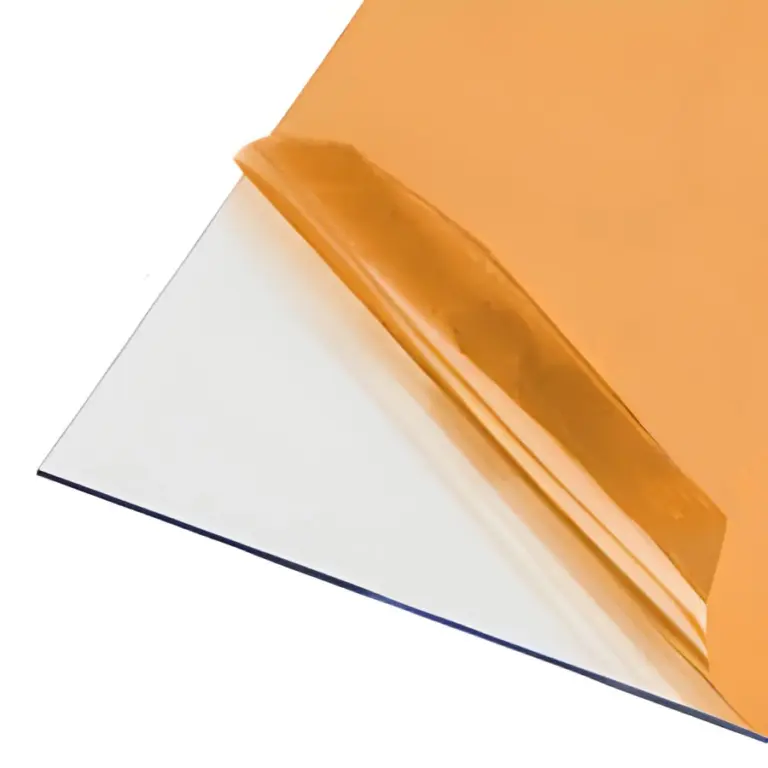
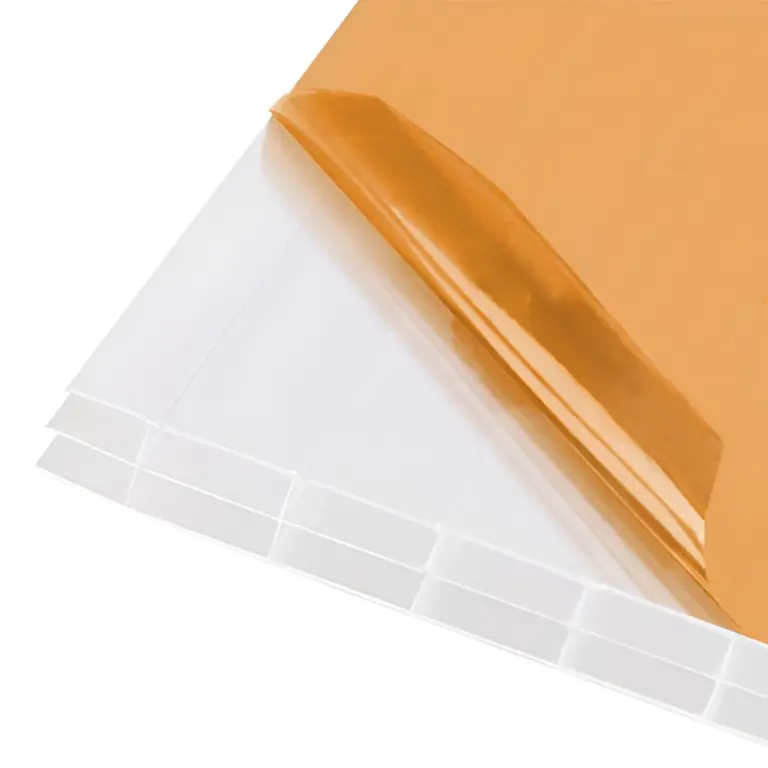
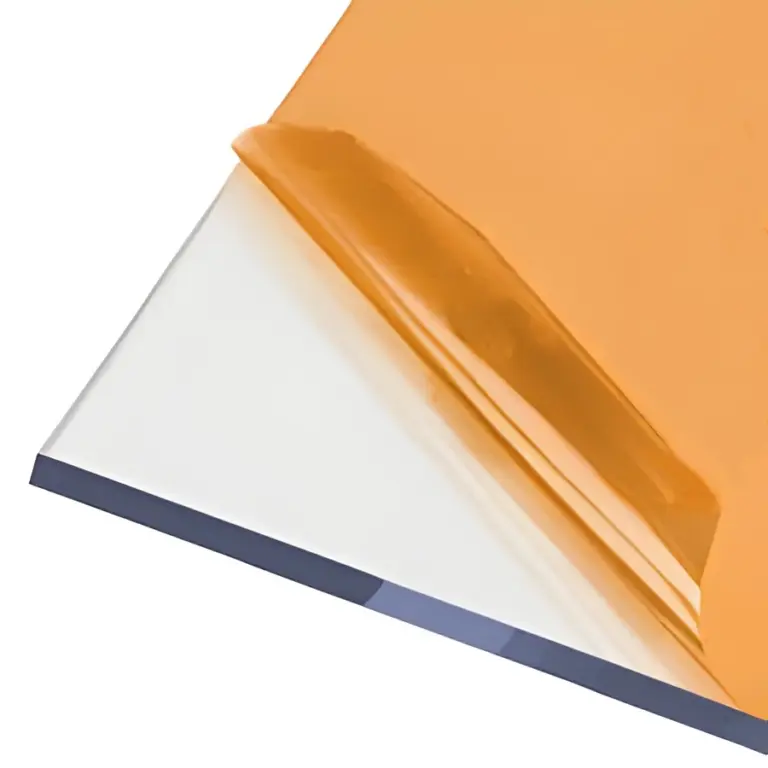
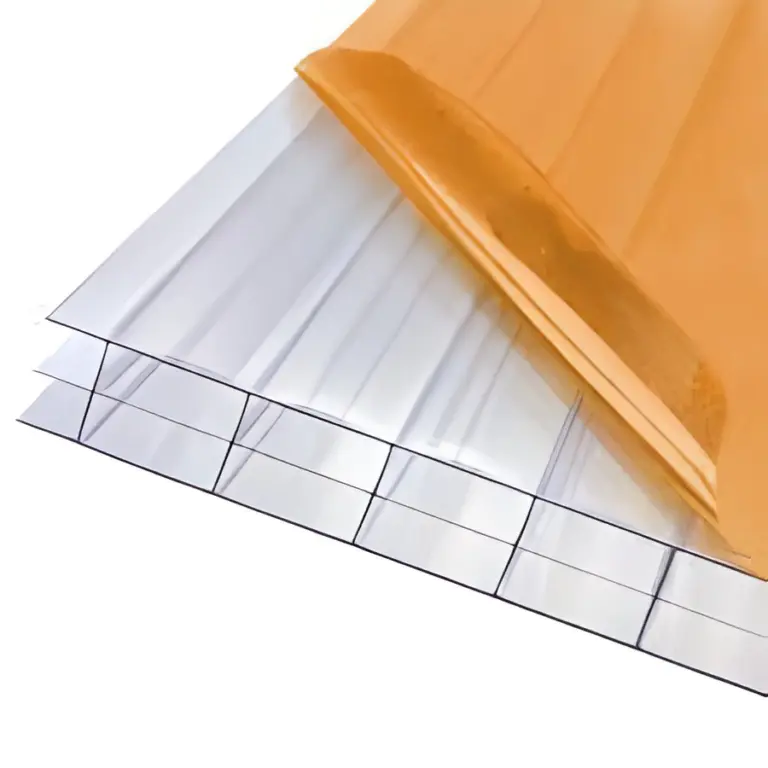
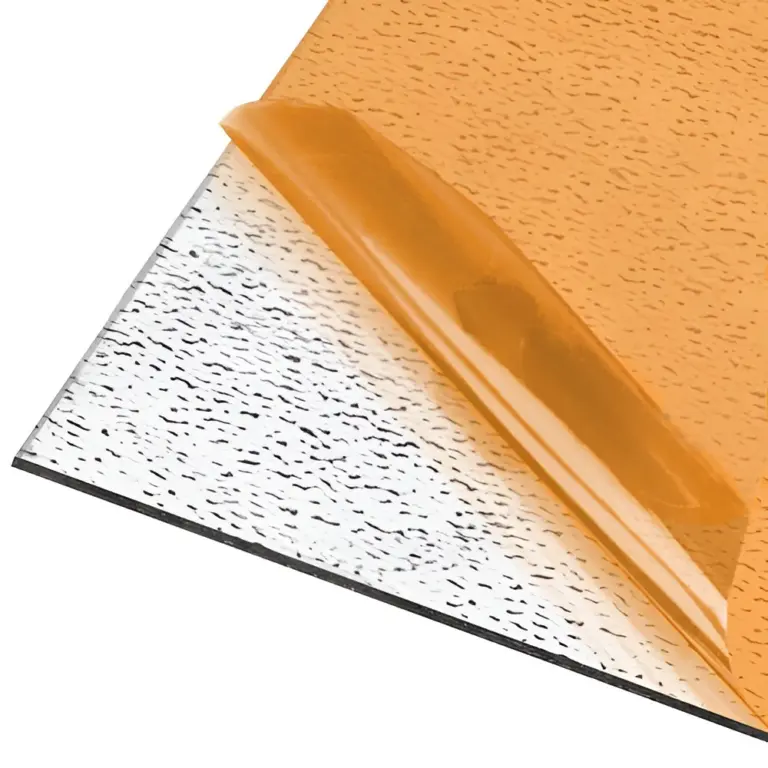
Plashield uses a water-soluble adhesive with a stable molecular structure and moderate, controllable tack, forming only a “temporary bond” with the surface. At the same time, the coating process strictly controls the adhesive layer thickness within a reasonable range (typically 3–8 μm), ensuring that the adhesive layer peels off intact with the film during removal, thereby preventing adhesive residue. All products undergo a full set of tests and are released only after passing these tests.
Based on your process requirements, Plashield uses a specialized protective film that has undergone special treatment to withstand high laser temperatures. After cutting, the film does not ooze or melt and adhere to the cut edges, thereby preventing black edges or scorch marks. Outdoor UV-Induced Aging and Brittleness: After several weeks of exposure to outdoor sunlight, the protective film on acrylic sheets becomes powdery and crumbles, making it impossible to peel off in one piece.
If acrylic sheets need to be stored outdoors in direct sunlight for several weeks, UV-resistant protective film must be used. This technology effectively extends outdoor service life. Before leaving the factory, Plashield protective film undergoes environmental simulation tests involving high temperatures, UV radiation, and humidity to verify the stability of the adhesive layer throughout its shelf life (typically 6–12 months), ensuring it does not harden or become brittle when exposed to outdoor sunlight.
Plashield incorporates antistatic agents into the coating process or applies an antistatic coating to the film surface. The surface resistivity is typically controlled between 10^8 and 10^11 Ω, which effectively dissipates static electric charges, thereby preventing secondary contamination caused by the attraction of fine dust particles from the air.
With standard protective films, when subjected to heat (thermal bending) or stretching, the adhesive and the substrate have different coefficients of thermal expansion, and the adhesive layer may migrate, leading to bubbling or rupture. For thermal bending or deep drawing processes, it is necessary to select Plashielddeep-drawing protective film, which offers superior ductility and features an adhesive with special cohesive strength that remains stable under heat and tension, preventing delamination or rupture.

Plashield Company Strength
20+ years in polymer protection, advanced R&D labs, patented adhesive systems, peel-strength testing, UV aging simulation.
8+ integrated production lines, 200 million m² annual capacity, ±0.5% coating precision, ±1mm slitting accuracy.
ISO 9001 certified, multi-step testing (tensile, adhesion, UV, appearance), traceable batch QC, 100% virgin materials.
7×24 support, custom adhesion matching, OEM printing, export packaging, tailored roll sizes (18mm–1600mm).
Trusted by panel factories, construction companies, and distributors in 60+ countries.
Customer Cases
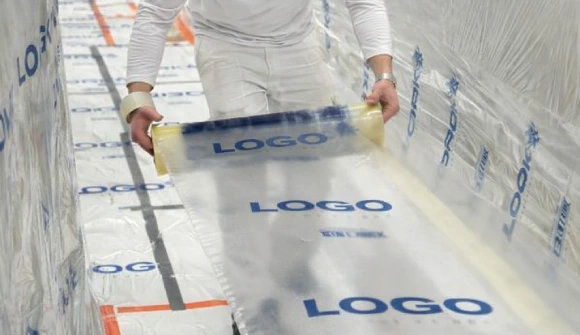
A Dutch yacht painting materials trading company’s previous flame-retardant film supplier could not provide effective test documentation — the film was labeled “flame retardant” but failed the client’s on-site verification testing for project use, creating a genuine construction safety exposure. We developed V0-grade flame-retardant PE film samples within 10 business days, submitted third-party combustion test data, and entered mass production after the client’s independent testing confirmed compliance. Since first cooperation in November 2024, repeat orders have grown consistently, with annual purchase volume exceeding USD 20,000.
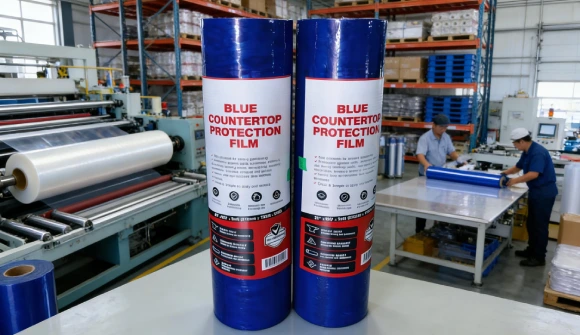
Marble countertop wholesalers in Brazil’s distribution chain face a structural cost pressure: products must be branded to move through downstream resellers and kitchen cabinet manufacturers, but most PE film suppliers cannot simultaneously handle custom film color, logo-printed cartons, and export packaging. This client began working with Plashield in August 2023, with a core requirement to consolidate film sourcing, brand packaging, and sea-freight protection into a single supplier arrangement — at an annual purchase volume of approximately USD 40,000.
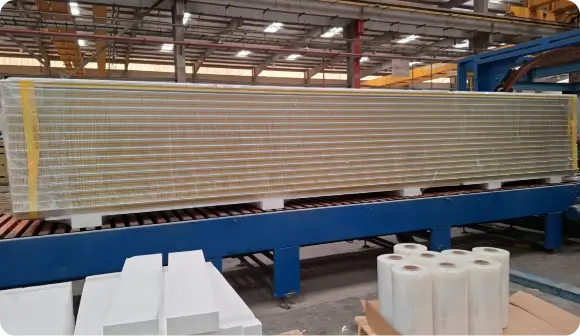
A Saudi Arabian metal sandwich panel manufacturer faced two interconnected production problems: first, standard 50μm PE film caused self-adhesion difficulties during 3000m extra-long roll production, with frequent roll breaks generating line downtime. Second, a multi-supplier import procurement model created high sourcing management overhead, with batch-to-batch performance variation wasting line calibration time. Plashield developed a custom 25μm ultra-thin PE protective film (3000m roll length) and simultaneously consolidated multi-category film supply into a single-source arrangement. Cooperation since March 2024, with annual purchase volume exceeding USD 200,000.
Testimonials
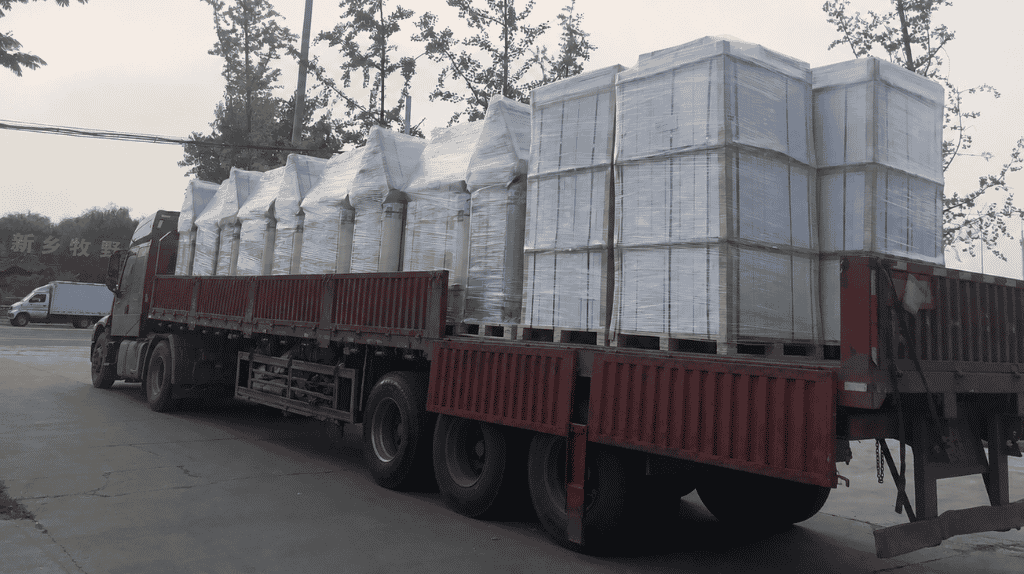
Packing & Shipping
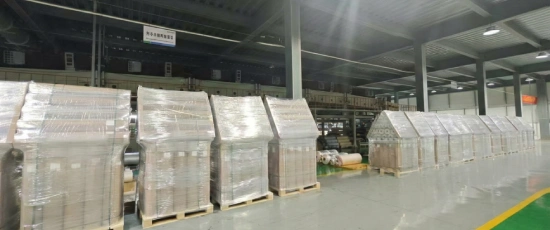
- PMMA protective film rolls packed in corrugated cartons, sealed with stretch film.
- Palletized loads suitable for container shipping.
- Labels with product name, structure , size, lot and production date.
What is Acrylic Protective Film?
Acrylic protective film is a temporary protective film specifically designed to protect the surface of polymethyl methacrylate (PMMA) acrylic sheets. It is used to prevent wear, contamination, or
damage during processing, transportation, storage, and installation. This product is widely used in extrusion and casting production lines for acrylic sheets, as well as in subsequent processes such as laser cutting, CNC engraving, thermoforming, and vacuum forming, and in final applications including signage, display fixtures, architectural skylights, sound barriers, and electronic display protection. It ensures that acrylic products retain a flawless, mirror-like appearance when they reach the end consume
How to Remove Acrylic Protective Film
First, pay attention to the storage environment of the acrylic sheets. Unless a UV-resistant protective film is required, store them indoors in a cool, shaded area to avoid prolonged exposure to sunlight, high temperatures, or humid conditions. Additionally, installation should be completed within the acrylic sheets’ shelf life; do not store them for extended periods. It is recommended to remove the Plashield temporary protective film from acrylic sheets within 6 to 12 months.
Peel off slowly at a low angle
First, use your finger or a plastic scraper to lift one corner of the protective film. Do not use a metal blade, as this may scratch the surface being protected.
When peeling the film, fold it back and pull it slowly at a low angle of approximately 30 to 45 degrees. A lower peeling angle reduces the tensile force on the protective film, minimizing the risk of tearing.
Do not pull the protective film straight up. Pulling too quickly or with uneven force may cause the film to stretch, tear, or leave minor adhesive residue.
For protective films that are already adhered to the surface, you can use the following methods.
Chemical Removal Methods:
1. A soap solution containing a small amount of ammonia and turpentine can remove dirt from many solid surfaces.
2. To remove adhesive residue from hard surfaces, use nail polish remover and alcohol: Peel off the label, apply oil-free nail polish remover to the surface, and then gently wipe with a soft cloth. Industrial alcohol or gasoline can also be used to remove these marks.
3. You can wipe the surface with a specialized cleaner or sneaker cleaner.
4. When using gasoline, first apply it to the acrylic sheet; this will make it easier to peel off. Peel the sticker cleanly by pulling it straight along the edge of the sheet.