




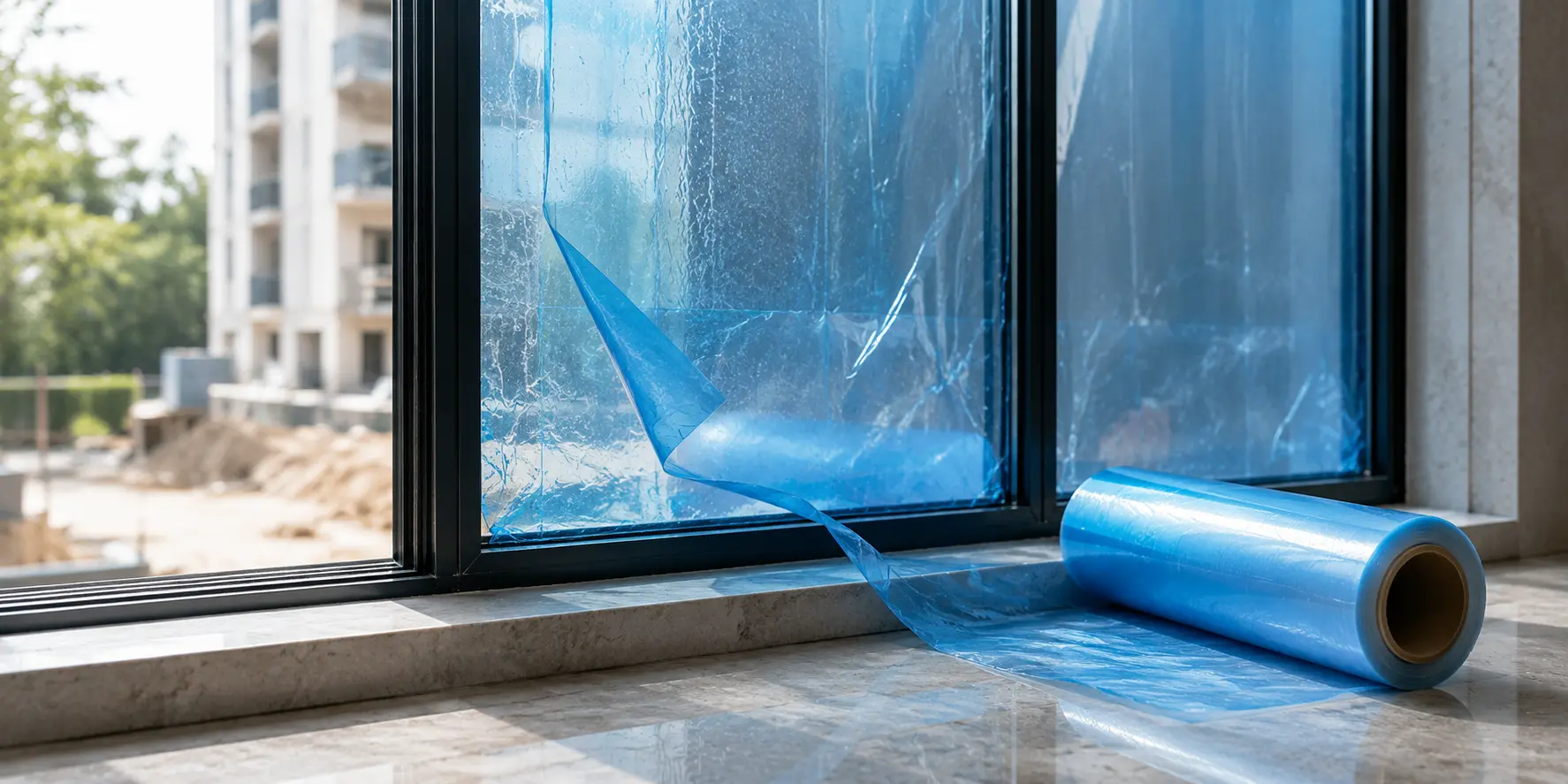
What is Window Glass Protective Film?
The most common window glass film failure on construction sites is not the absence of film — it is the wrong formulation: too-high adhesion leaves residue on Low-E coated glass at removal; too-low adhesion lifts at glazing edges under installation vibration and wind loading; non-UV-stabilized adhesive used outdoors hardens after 60 days of sun exposure, making removal more expensive than the original film cost. The Melbourne-based window and door installer who came to Plashield in June 2025 was addressing exactly this residue complaint scenario.
Plashield window glass film is separately formulated across four primary glazing substrate types:
- Float glass and extra-clear glass (low tack, 80–130 g/25mm)
- IGU aluminum spacer frames and PVC profiles (medium tack, 130–200 g/25mm)
- Low-E coated glass (dedicated low-tack formulation to avoid mechanical stress on magnetron-sputtered coating layers)
- Curtain wall glazing and commercial storefront glass (outdoor UV-stabilized grade, 12-month UV resistance).
Film widths cover 300–2200mm, slit to order per window profile dimensions; roll lengths 100–3000m, compatible with manual application and glass factory automatic laminating lines. Custom logo printing and branded carton packaging available for glass fabricator and window installer OEM procurement requirements.
Key Performance Features
Balanced performance characteristics for temporary surface protection.
100% virgin PE substrate, 30–80μm, coating uniformity ±0.5% — thickness consistency directly determines tension stability on automatic glass laminating machines; batch-to-batch thickness deviation is the leading cause of machine jams
Zero residue and zero adhesive transfer on float glass and coated glass after 30-day dwell — validated by 7-day accelerated aging test (50°C, ASTM D3330 follow-up)
Acrylic PSA, peel force 80–200 g/25mm (180°, ASTM D3330), separately formulated for float glass, Low-E coated glass, and IGU aluminum frames — low tack for coated glass, medium tack for aluminum and PVC profiles
Outdoor UV-stabilized grades (3–12 months), validated through UV accelerated aging — confirmed in Australian window installer field use: hand-removable with zero residue after 60 days of outdoor dwell
Batch-to-batch peel force deviation ≤10% — stable edge adhesion; no edge lifting from vibration or wind loading during glass transport and curtain wall installation
Compatible with manual roller application and automatic laminating machines; roll length and core diameter customizable per equipment specification
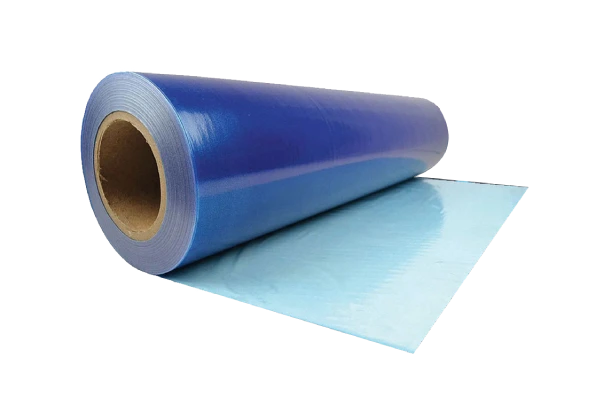
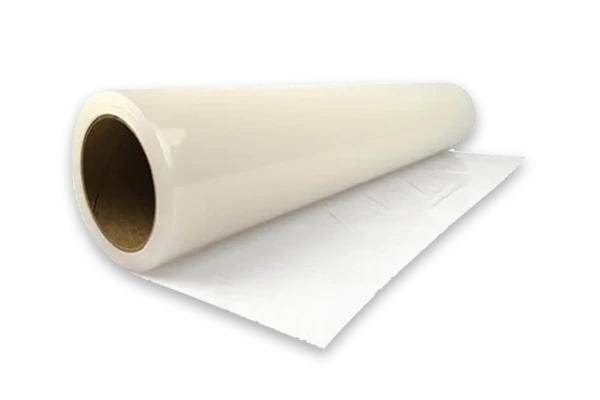
Transparent and light-blue tinted versions available — transparent for clean visual appearance at curtain wall handover; blue for immediate on-site identification of protected areas and coverage completeness verification
Why Choose Plashield
Plashield window glass film has been validated on four glazing substrate types in actual applications: float glass, Low-E coated glass, IGU aluminum spacer frames and PVC profiles, and laminated curtain wall glass. Low-tack formulation holds peel force at 80–130 g/25mm on float glass after 30-day dwell with zero residue at removal. Outdoor UV-stabilized formulation verified by an Australian window installer in live field conditions: zero adhesive hardening and clean hand removal after 60 days of outdoor exposure. Figures from production batch QC records, not sample-only testing.
Factory in Xinxiang, Henan Province, in continuous operation since 2004. 8+ high-speed coating and slitting lines, 200 million m² annual capacity. Coating thickness precision ±0.5%; slitting width accuracy ±1mm, maximum width 2200mm (for large-format curtain wall glass protection). ISO 9001 certified across the full production process. Each batch ships with peel force, coating uniformity, appearance, and dimensional inspection records. SGS third-party test reports available on request.
Customizable parameters: film width 300–2200mm, thickness 30–80μm, tack level (low / medium), UV resistance grade (3 / 6 / 12 months), color (transparent / blue / brand-specified), and logo printing. Samples typically dispatched within 3–5 business days; mass production lead time 7–15 days. An all-in-one supply arrangement — custom UV-stabilized formulation, logo-printed rolls, and export protective packaging — has been delivered to a Melbourne-based window installer since June 2025.
Technical Specifications – Window Glass Protective Film
| Property | Unit | Typical Value / Range |
| Base Material | – | Polyethylene (PE) |
| Adhesive Type | – | Acrylic PSA |
| Total Thickness | μm / mm | 30–80 μm (0.03–0.08 mm) |
| Color | – | Transparent / Blue / White |
| Adhesion Level | – | Low / Medium |
| Tensile Strength | MPa / N/mm² | Application dependent |
| Elongation at Break | % | Standard industrial range |
| UV Resistance | months | Indoor / outdoor grades (3–12) |
| Application Temp Range | °C | Recommended surface temperature |
| Removal Temp Range | °C | Recommended removal conditions |
| Width Options | mm | 300–2200 (custom slit) |
| Roll Length | m | 100–3000 |
| Shelf Life | months | 12 in recommended storage |
Film Styles & Options
Choose the optimal configuration for your glass protection needs.
Standard Glass Protection Film
Low-to-medium tack PE film (peel force 80–200 g/25mm), 30–70μm, for float glass, IGU units, and standard aluminum window and door profile protection during factory processing, warehousing, and construction. Zero residue on float glass at removal after 30-day indoor dwell; stable edge adhesion in low-temperature application environments (≥5°C).
Printed OEM Film
Client logo, contact details, product model, or installation instruction text printed on film surface; registration accuracy ±0.1mm, batch-to-batch color tolerance ΔE ≤ 1.5. Two practical applications in the glass and window industry:
① Glass fabricators shipping to installers — branded film enables receiving staff to identify the supplier immediately at warehouse;
② Window installers using printed film on-site — owners, head contractors, and inspectors see the installer’s brand throughout the build duration, generating passive brand exposure.
Machine-Ready Film
Engineered for glass factory automatic laminating lines — roll lengths 500–3000m, core inner diameter customized per machine mandrel specification (standard: 76mm / 150mm), flat roll-end face (no lateral shift, no telescoping), thickness uniformity ±0.5% (in-line coating inspection). Roll weight and outer diameter confirmed before production to ensure compatibility with the laminating machine’s rated load and dimension limits. For float glass factories, tempered glass plants, and IGU production lines running continuous high-volume lamination.
Application Scenarios
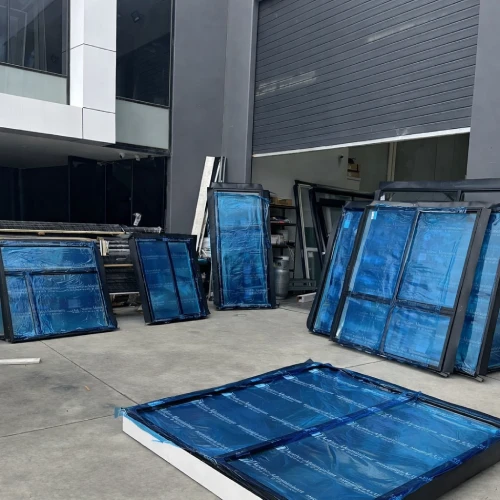
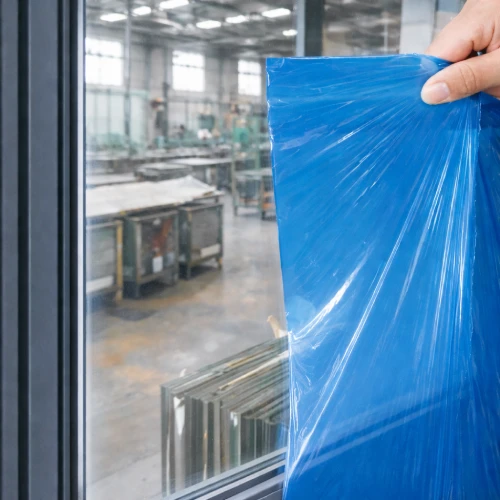
Glass cutting, edging, and tempering processes generate abrasive wheel dust and conveyor roller contact as the primary sources of surface micro-scratches. Film is applied before the glass enters the processing line, isolating the surface from all contact points throughout. Thickness recommendation: 50–70μm — thinner (30μm) risks edge tearing from edging vibration; thicker (80μm+) can interfere with uniform heat penetration in the tempering furnace. Machine-grade wide rolls (500m+) reduce reel-change frequency and improve continuous production efficiency.
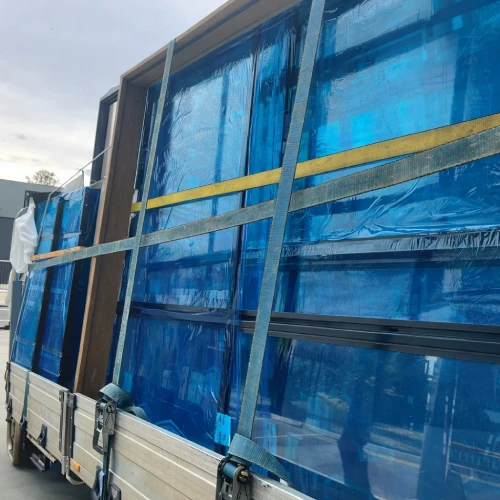
The most common damage to flat glass and IGU units in transit is panel-to-panel abrasion on A-frames, particularly during long-haul road freight and container sea freight where road vibration accumulates micro-scratches continuously. Protective film breaks glass-to-glass direct contact — standard practice for A-frame loaded glass transport. For export container routes (e.g., China to Australia / Middle East, 14–35 days), select standard grade with 12-month shelf life and 5–50°C removal temperature range to prevent adhesive hardening in high-temperature container interiors (which can reach 65°C+).
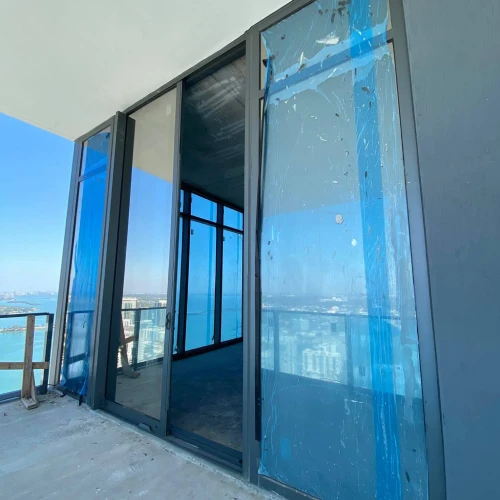
After glass installation and before project handover, 30–90 days of multi-trade construction overlap is typical. This window represents the highest-density glass damage period: painters spraying, plasterers patching, cleaners using abrasive products. Film remains on the glass throughout and is removed at handover — this requires that the adhesive formulation does not harden during this period (including partial outdoor exposure); 6-month UV-stabilized grade recommended for outdoor-facing installation scenarios. The Melbourne Australia case confirms: zero residue after 60-day outdoor dwell with hand removal.
Paint mist from spray and roller application is fine-particle, high-adhesion, and impossible to remove from glass with dry cloth once dry — solvent cleaning risks damaging coated glass surfaces such as Low-E layers. Protective film provides a physical barrier; paint mist, plaster splash, and cement slurry land on the film surface and are removed with it at completion. For renovation projects, medium-tack grade (130–200 g/25mm) is recommended — low-tack film lifts at aluminum frame edges under heavy traffic and tool pressure, allowing contamination to migrate under the film edge to the glass surface.
Facade installation cycles typically last 3–12 months, during which glazing is continuously exposed to UV radiation, rain, and construction dust. Non-UV-stabilized adhesive on standard PE film begins to harden after 60–90 days of outdoor exposure, transferring adhesive to the glass face and generating large-scale cleaning work orders — the most common protective film complaint among curtain wall contractors. A 12-month outdoor UV-stabilized formulation covers the majority of façade installation cycles, providing a flexible removal window without needing to race against adhesive aging.

Plashield Company Strength
20+ years in polymer protection, advanced R&D labs, patented adhesive systems, peel-strength testing, UV aging simulation.
8+ integrated production lines, 200 million m² annual capacity, ±0.5% coating precision, ±1mm slitting accuracy.
ISO 9001 certified, multi-step testing (tensile, adhesion, UV, appearance), traceable batch QC, 100% virgin materials.
7×24 support, custom adhesion matching, OEM printing, export packaging, tailored roll sizes (18mm–1600mm).
Trusted by panel factories, construction companies, and distributors in 60+ countries.
How We Serve You

Share your surface, process, and usage conditions
Free samples shipped within 3–5 days.
Adjust tack level, thickness, color, or printing.
Fast lead time: 7–15 days.
Export-ready packaging + documentation.
Customer Cases
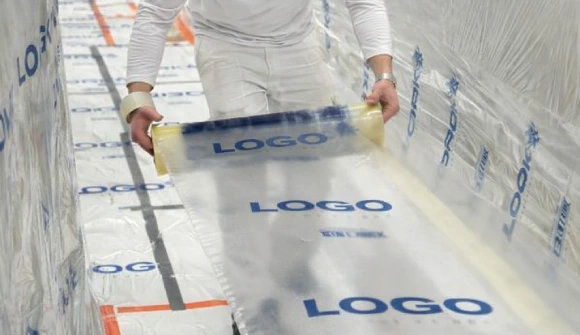
A Dutch yacht painting materials trading company’s previous flame-retardant film supplier could not provide effective test documentation — the film was labeled “flame retardant” but failed the client’s on-site verification testing for project use, creating a genuine construction safety exposure. We developed V0-grade flame-retardant PE film samples within 10 business days, submitted third-party combustion test data, and entered mass production after the client’s independent testing confirmed compliance. Since first cooperation in November 2024, repeat orders have grown consistently, with annual purchase volume exceeding USD 20,000.
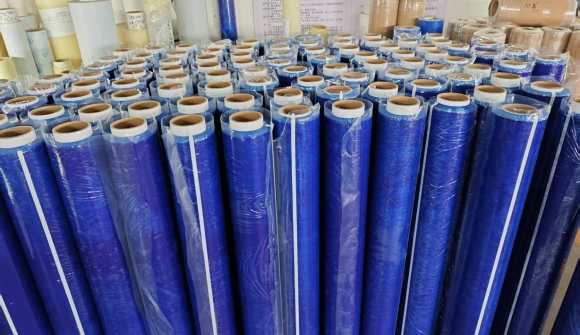
Window and door installers in Australia face a problem that’s common in the trade but rarely addressed directly: protective film left on-site during construction is exposed to months of UV and heat, causing the adhesive to harden. When the film is finally removed, it leaves residue on glass and aluminum profiles — generating cleaning costs and end-homeowner complaints. This Melbourne-based SME came to Plashield in June 2025 to resolve exactly that.
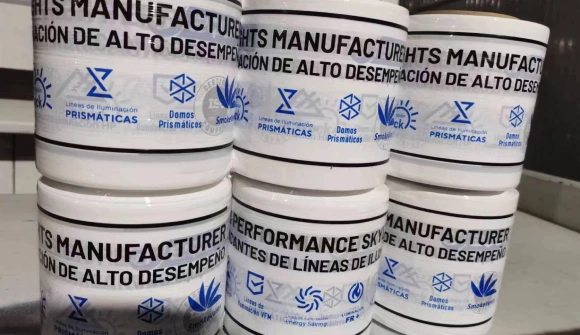
A Mexican packaging film manufacturer needed its own brand logo printed across multiple PE film categories (stretch film, quad-seal bags, printed tape, strapping film), with requirements for high print registration accuracy, controlled color deviation between mass production and approved proof, and multi-SKU consolidation under a single supplier to reduce cross-category procurement management overhead. Since first cooperation in July 2023, annual purchase volume approximately USD 45,000 with continuous stable repeat orders. This case demonstrates Plashield’s PE film OEM custom printing capability — the complete delivery process from sample color fidelity to mass production batch consistency control.
Testimonials
Packing & Shipping
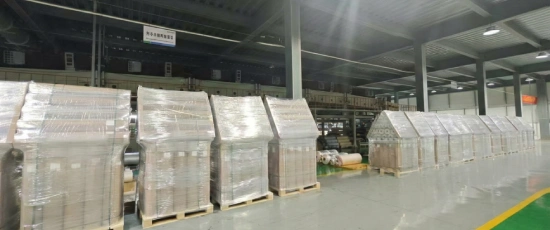
- Corrugated cartons + transparent wrapping
- Palletized export packing
- Roll labels with lot number and production date
- Suitable for FCL & LCL shipments
- High protection for long-distance transportation
Comparison Table
| Feature | Plashield | Regular Films |
| Virgin PE | √ | × Mixed |
| Adhesive Stability | High | Medium |
| UV Resistance | 12 months | 3–6 months |
| Clean Removal | Excellent | Inconsistent |
| Customization | Full | Limited |
| Industrial QC | ISO-certified | Basic |