



TPO Waterproof Membrane Product Types
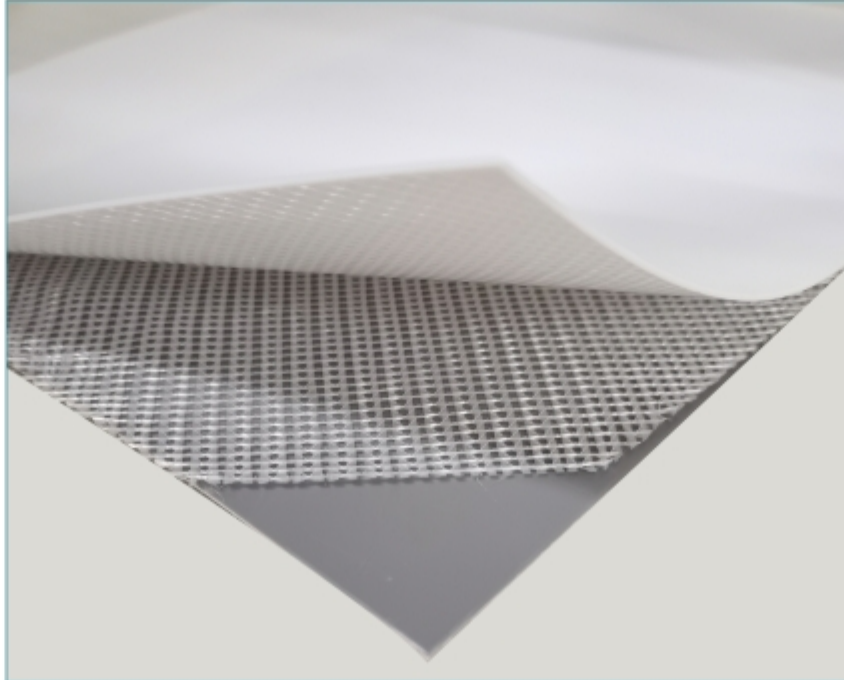
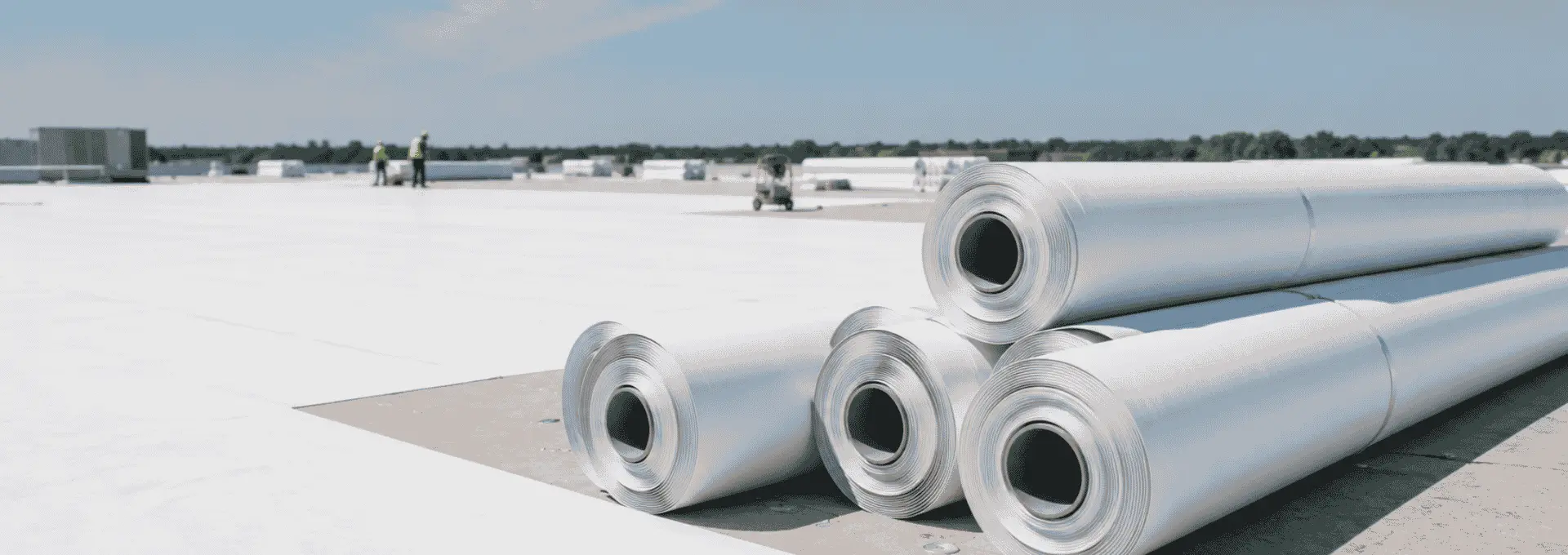
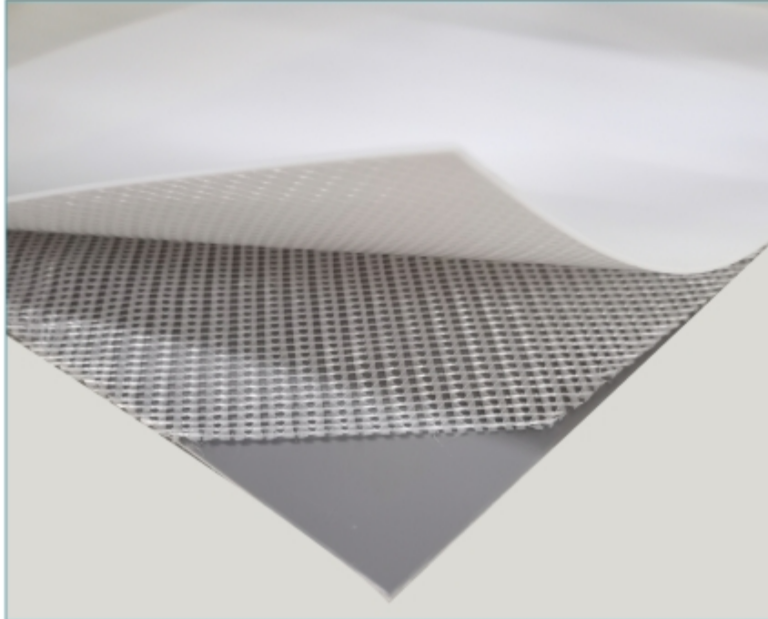
Reinforced P-Type TPO Waterproof Membrane
This product is suitable for single-ply waterproofing of reinforced TPO membranes, as well as for waterproofing metal or concrete roofs.Thermoplastic Polyolefin (TPO) Waterproofing Membrane Reinforced with Polyester or Fiberglass Mesh in the Middle
Product Features:High mechanical strength;Good impact resistance;Outstanding long-term performance.
Get Inquiry
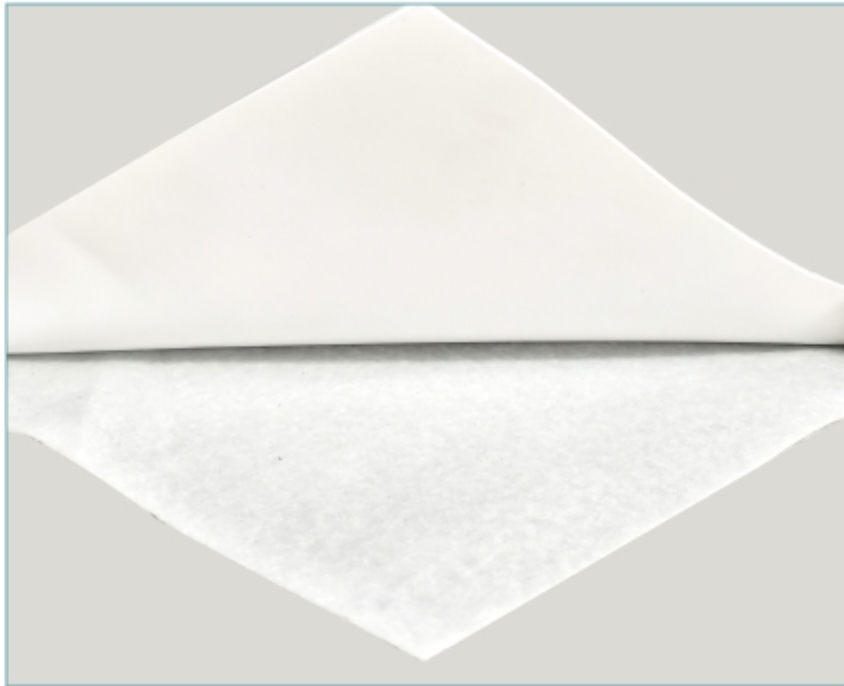
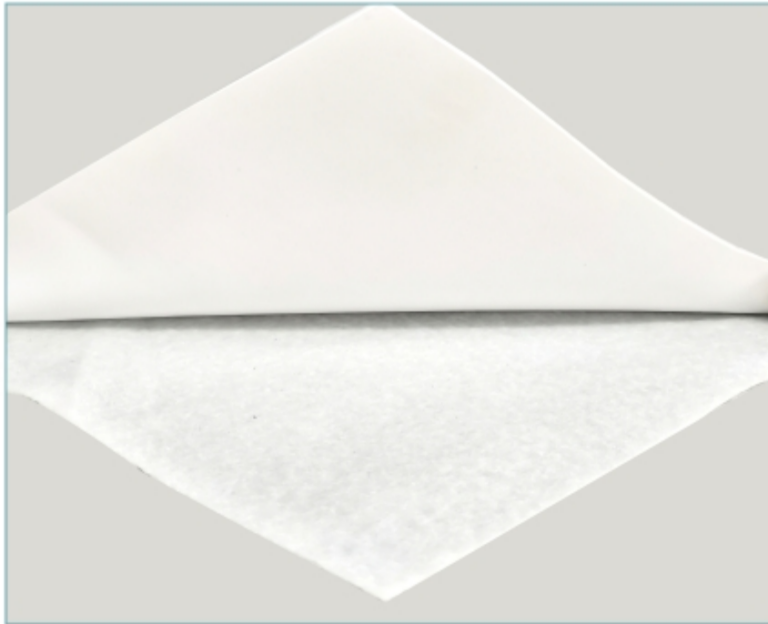
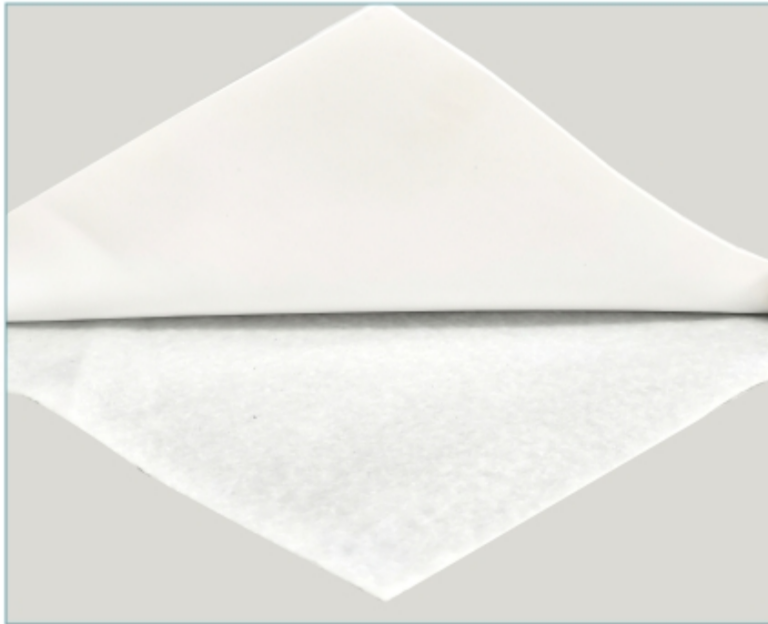
Fleece-Backed L-Type TPO Membrane
Suitable for roof renovation, adhered roofing systems, single-ply roofing, or waterproofing of concrete roofs. The underside of this membrane is laminated with a polyester nonwoven fabric, which helps it meet the installation requirements of adhered roofing systems.
Product Features:High mechanical strength;Good impact resistance;Outstanding long-term performance.
Get Inquiry
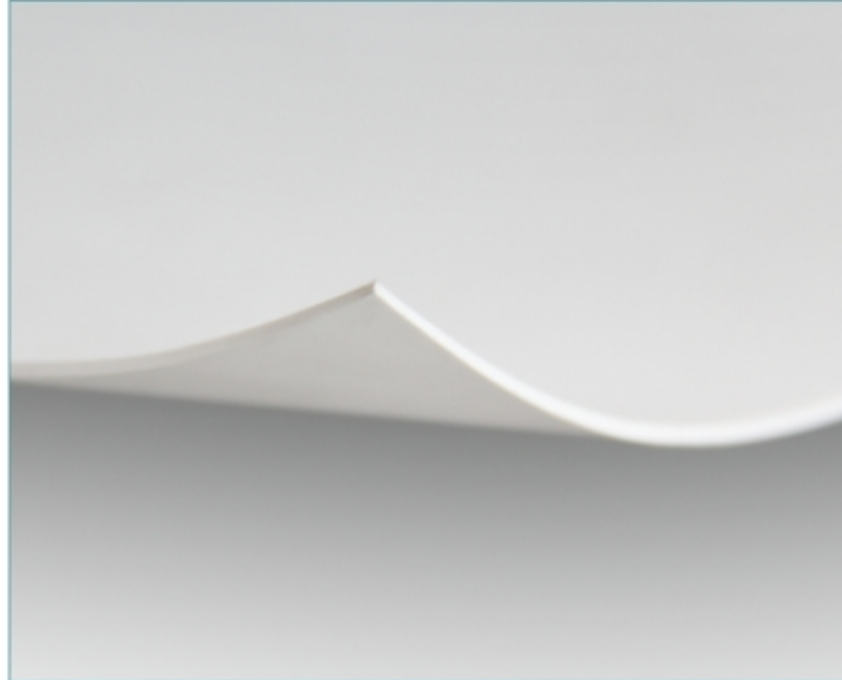
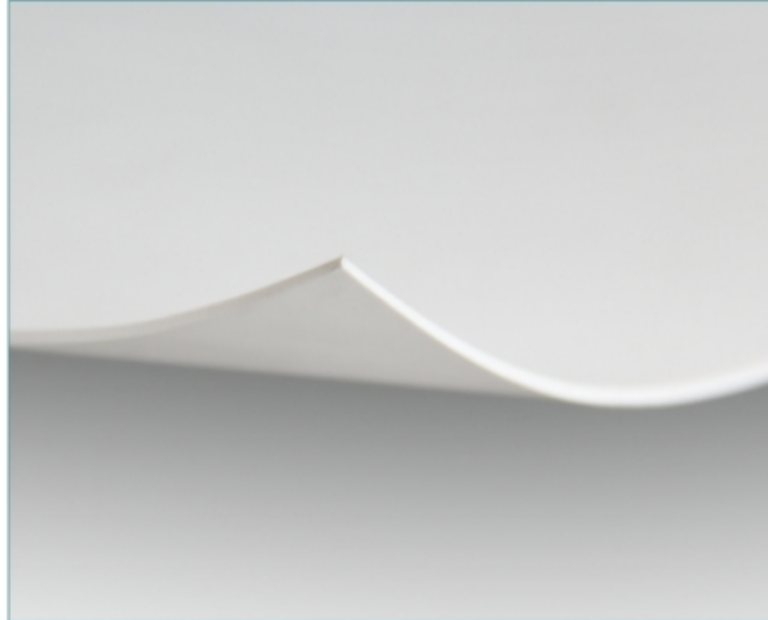
Homogeneous H-Type TPO Waterproof Sheet
Suitable for roof detailing, irregularly shaped areas, and the installation of TPO hot-melt shingle accessories. Thermoplastic polyolefin (TPO) waterproofing membranes without internal reinforcement or backing material
are flexible and offer excellent formability for detailed joints;
Product Features:Soft, with good formability for detailed joints;Integrated installation with interlocking tiles for high efficiency and convenience;Outstanding long-term performance.
Get Inquiry
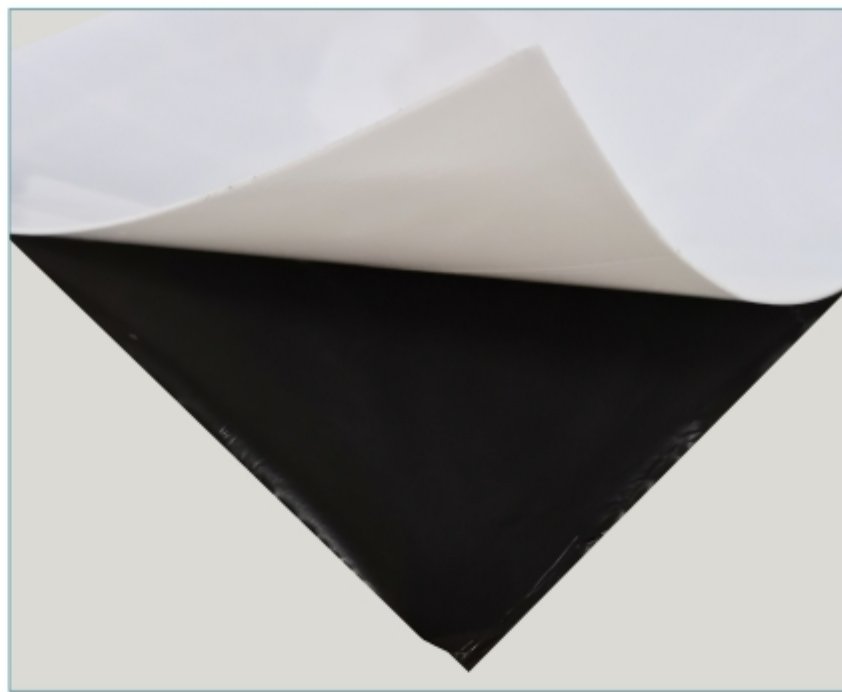
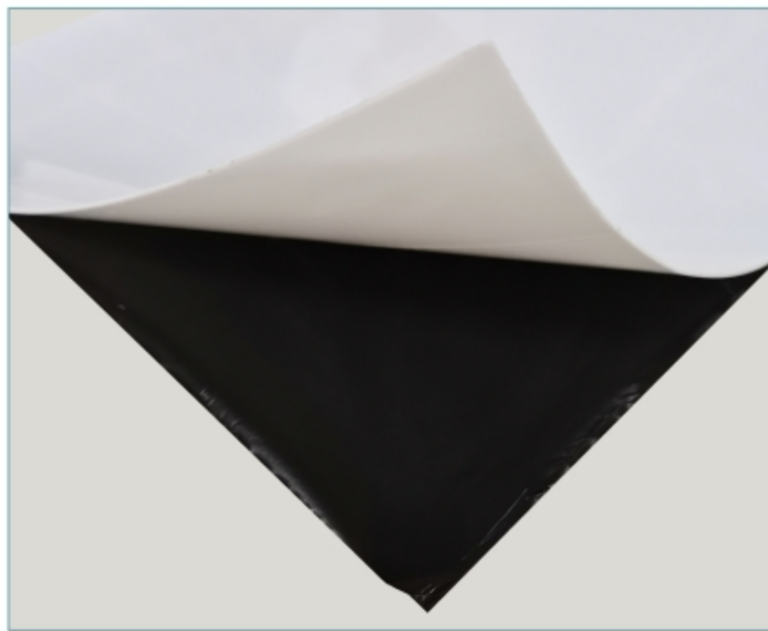
Self-Adhesive H-Type TPO Membrane
Waterproofing Membrane with Self-Adhesive Layer of Pressure-Sensitive Adhesive (PSA) or Butyl Laminated on the Underside of Thermoplastic Polyolefin (TPO) Sheet, plus Separator Film.Suitable for waterproofing metal roofs, concrete roofs, and underground waterproofing projects requiring a self-adhesive layer.
Product Features:Suitable for waterproofing metal roofs; flexible, making it easy to install on complex, irregularly shaped roofs; heat-resistant with excellent stability.
Get Inquiry
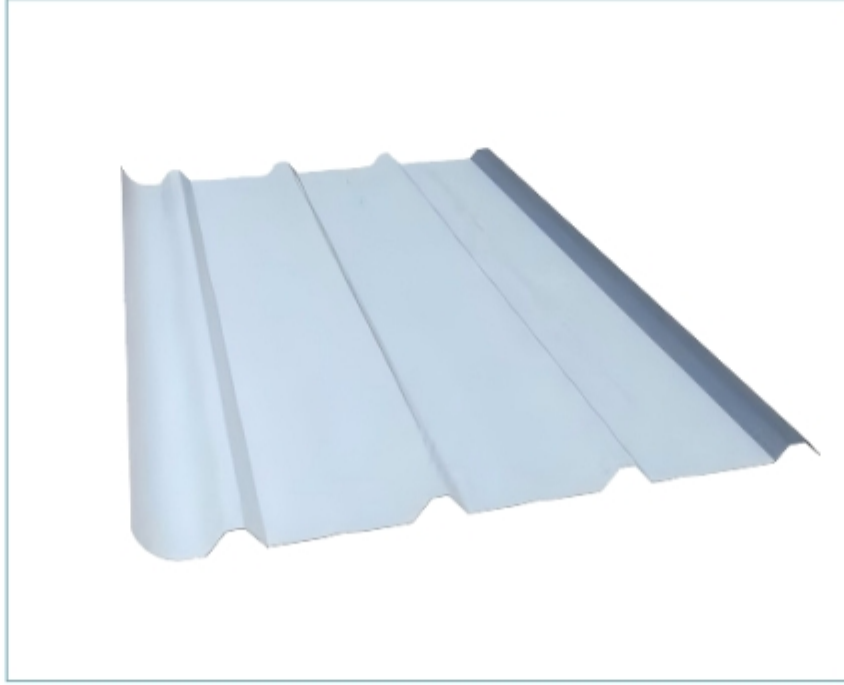
TPO Fused Tile
A multifunctional roofing material created by fusing thermoplastic polyolefin (TPO) with metal-composite steel sheets at high temperatures, combining waterproofing, structural strength, and decorative appeal. Suitable for lightweight roofing systems in industrial buildings.
Product Features:Integrated Installation of Structural Steel Sheets and Waterproofing Layer High-temperature resistance and excellent stability
Get Inquiry
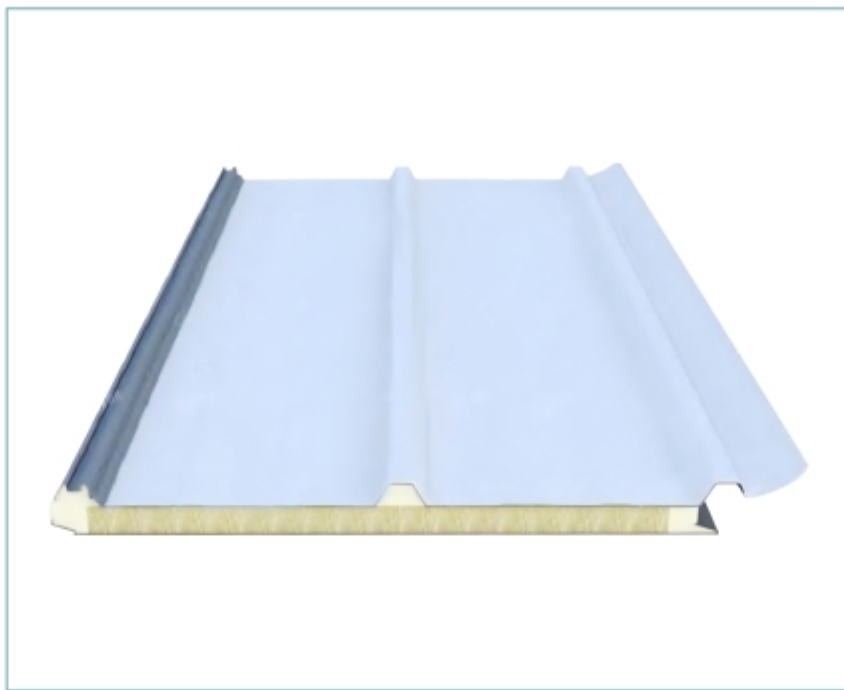
TPO Waterproof Insulation Integrated Panel
Use this product when the roof project needs waterproofing, insulation and structural integration in one panel system. The catalog positions it for industrial roof systems, cold-chain logistics warehouse roofs, public building energy-saving renovation and prefabricated building roof integration.
Product Features:Structurally stable, highly energy-efficient, environmentally friendly, flame-retardant, waterproof, and multifunctional integration
Get Inquiry
Why Contractors Choose TPO Waterpoof Membrane
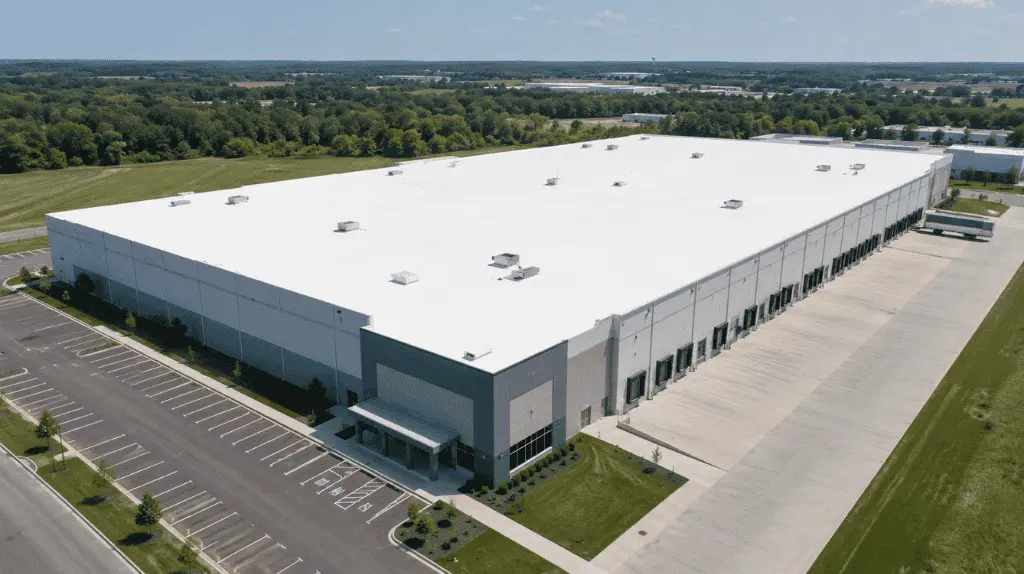
UV and Weathering Resistance for Exposed Roofs
Buyer Concern
Exposed roofs on commercial and industrial buildings are constantly exposed to sunlight, high temperatures, rain, and temperature fluctuations throughout the year. If the roof’s waterproofing layer ages prematurely, cracks and leaks will occur, which not only increase repair costs but also lead to customer complaints.
TPO Advantage
Plashield TPO roofing membranes are suitable for use on permanently exposed roofs. They offer aging resistance of 10,000–15,000 hours, with a performance retention rate of >90% after heat aging. They maintain stable performance in temperatures ranging from -40°C to 120°C.
Heat-Welded Seams for Waterproof Continuity
Buyer Concern:
Roof leaks are usually not caused by damage to the membrane itself, but rather by seams, the edges of roofing panels, pipe penetrations, and complex structural joints. If these joints are not properly sealed, hidden leaks can develop that are difficult to detect, and subsequent repairs and rework can be quite costly.
TPO Advantage:
Plasheild TPO membranes are suitable for hot-air welding, with seam strength reaching over 90% of the base material’s strength and an average peel strength of approximately 10 N/mm. During installation, the overlap width along the long edges must be greater than 120 mm, and the welded width must be no less than 40 mm; the distance from fasteners to the edge must be controlled according to the location of the joint. For metal roofs, renovated roofs, and detailed joints such as inside and outside corners and edge terminations, hot-air welding can connect the overlap areas of the membrane into a continuous waterproofing layer, reducing the risk of joint aging, delamination, and leaks.
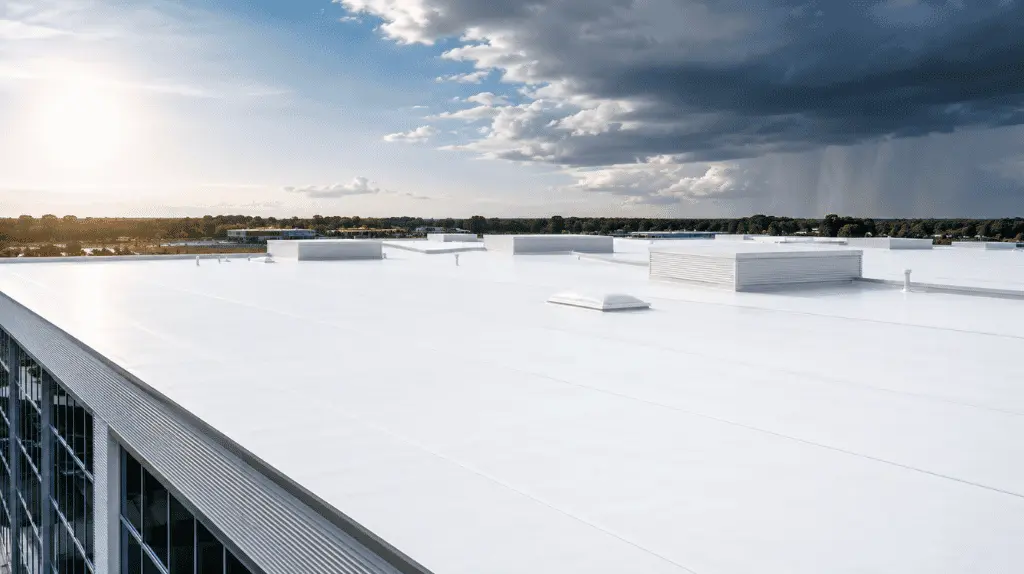
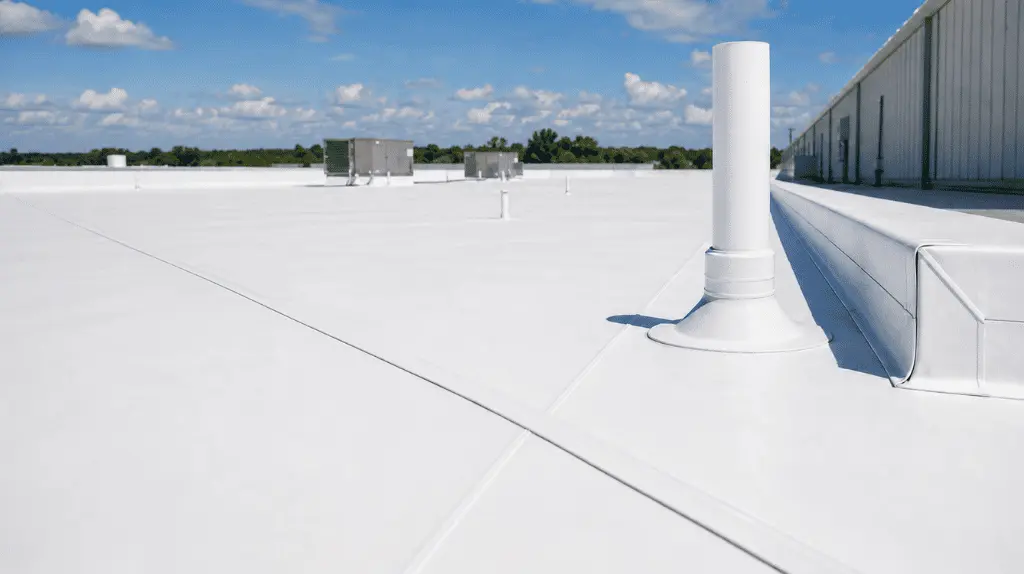
Reflective Surface for Energy-Conscious Buildings
Buyer Concern:
Large commercial and industrial roofs can absorb significant heat, especially in summer. Owners and developers often ask whether the roof material can support a cooler, more energy-conscious building envelope.
TPO advantage:
TPO roofing membranes feature high solar reflectance; their light-colored (white) surfaces reflect more than 80% of solar energy, thereby reducing roof temperature rise and cooling energy consumption, as well as minimizing aging, cracking, leaks, and long-term maintenance costs.
By lowering roof temperatures and conserving energy—with temperatures up to 15°C lower than traditional black asphalt roofs—summer air conditioning energy consumption can be reduced by 10%–20%.
Reinforced and System-Based Options for Industrial Roof
Buyer Concern:
Industrial roofs often need more than a standard roll: large roof area, metal roof details, wind exposure, PV supports, insulation needs or roof renovation can make product selection more complex
TPO Advantage:
Plasheild’s product range includes reinforced P-type TPO, fleece-backed L-type TPO, self-adhesive TPO, TPO fused tiles, TPO/PVC photovoltaic supports and TPO waterproof insulation integrated panels.At the same time,Plasheild professional sales engineers will work with you to design a TPO waterproofing solution tailored to your project’s specific needs, ensuring that all technical requirements are fully met.
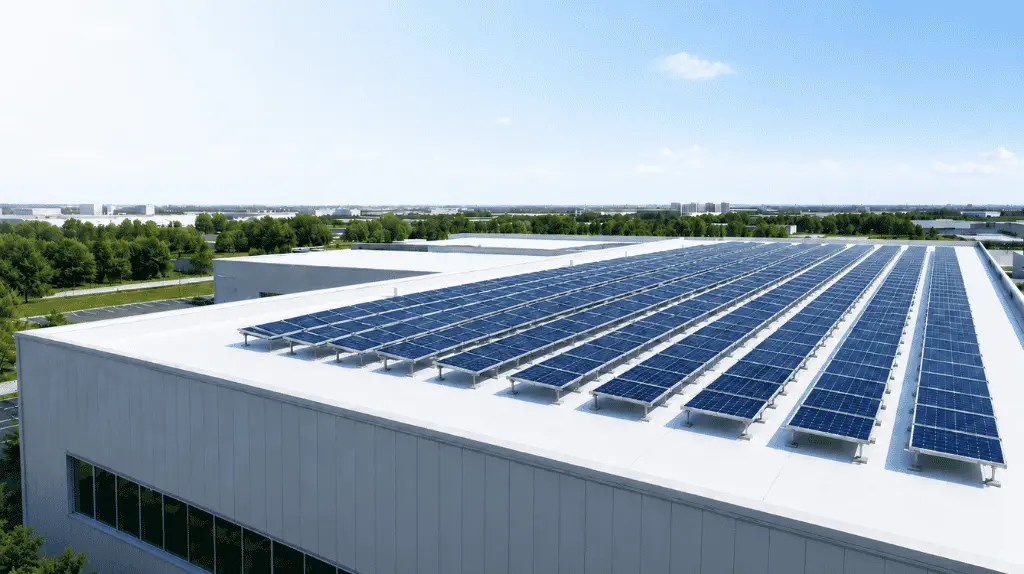
Application Scenarios for TPO Waterproof Membrane
Plashield TPO waterproof membrane is suitable for roofing projects where leakage control, seam reliability, weather exposure and installation efficiency matter.
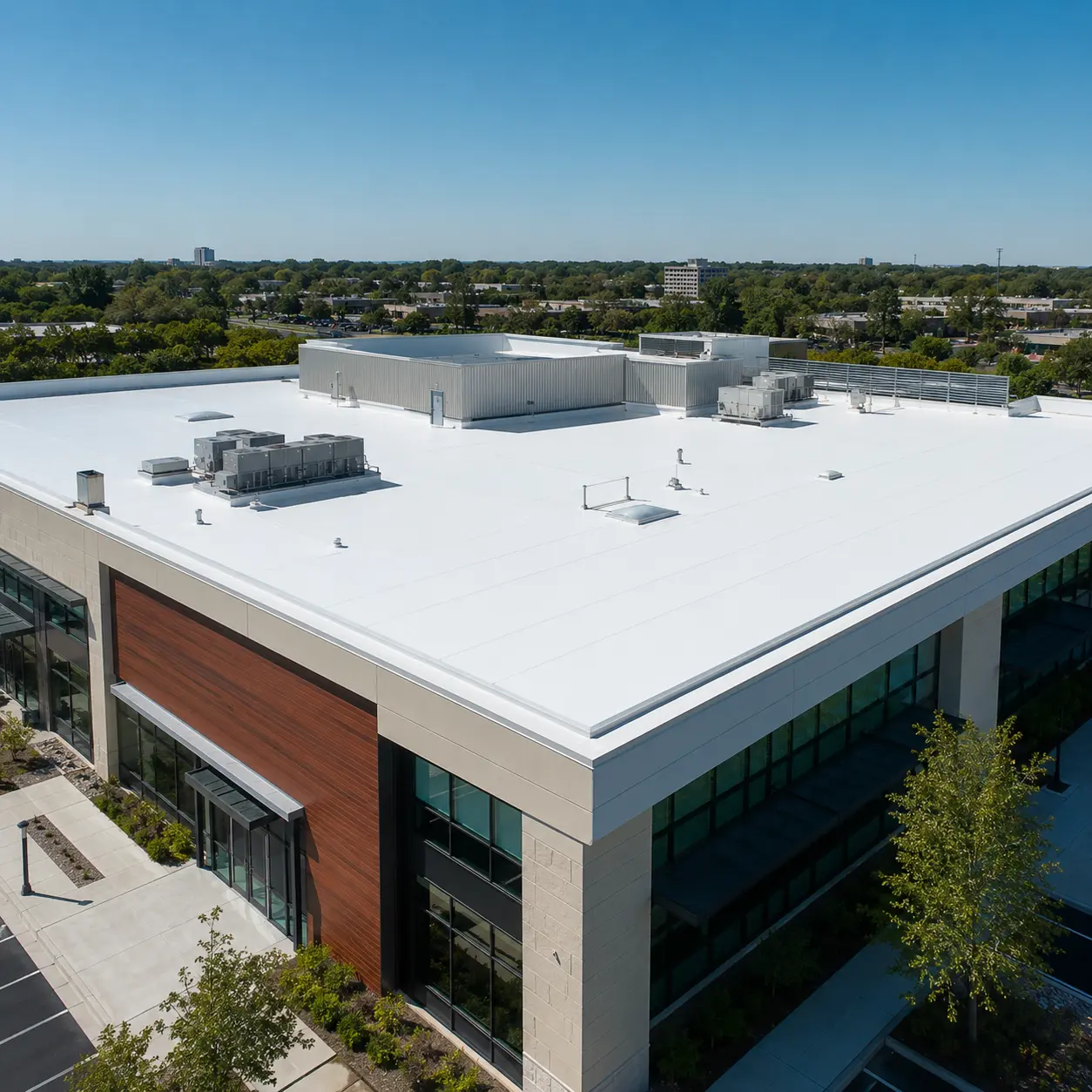
Large industrial roofs put pressure on every fastener line, side lap, gutter and penetration. Reinforced P-type TPO creates the main waterproofing field across broad metal or concrete roofs, while homogeneous H-type sheet carries that layer through drains, corners and pipe details. Where a new metal roof finish is also part of the job, TPO fused tile provides a waterproof layer and profiled steel surface in the same roof assembly.
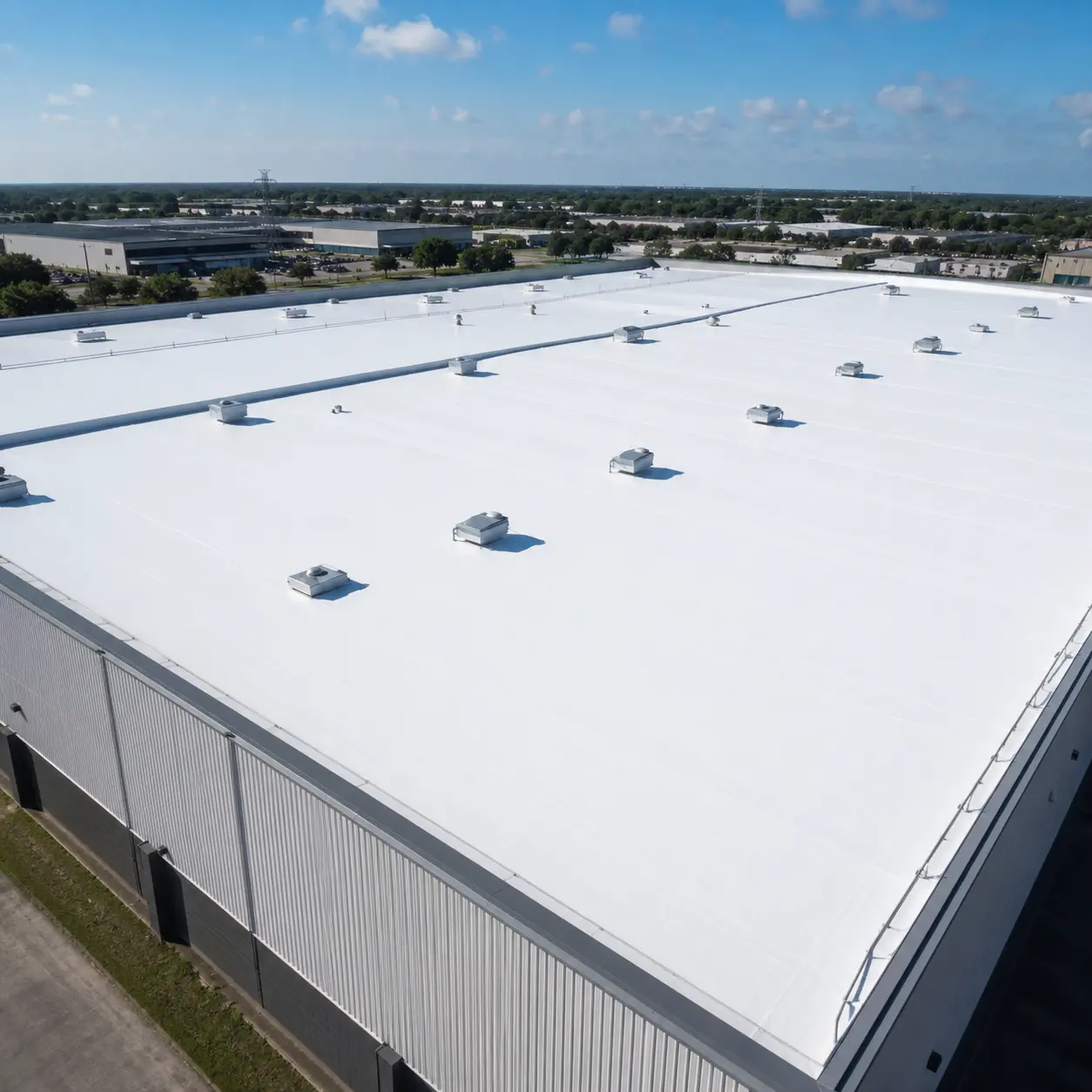
An ageing metal roof often develops repeat leaks along screws, overlaps and weathered details long before the whole building needs replacement. Fleece-backed L-type TPO and self-adhesive H-type TPO give reroofing projects membrane routes that work over suitable existing roof surfaces. Detail material then closes the vulnerable transitions, so the renovation can address the whole water path instead of repeatedly sealing one visible leak.
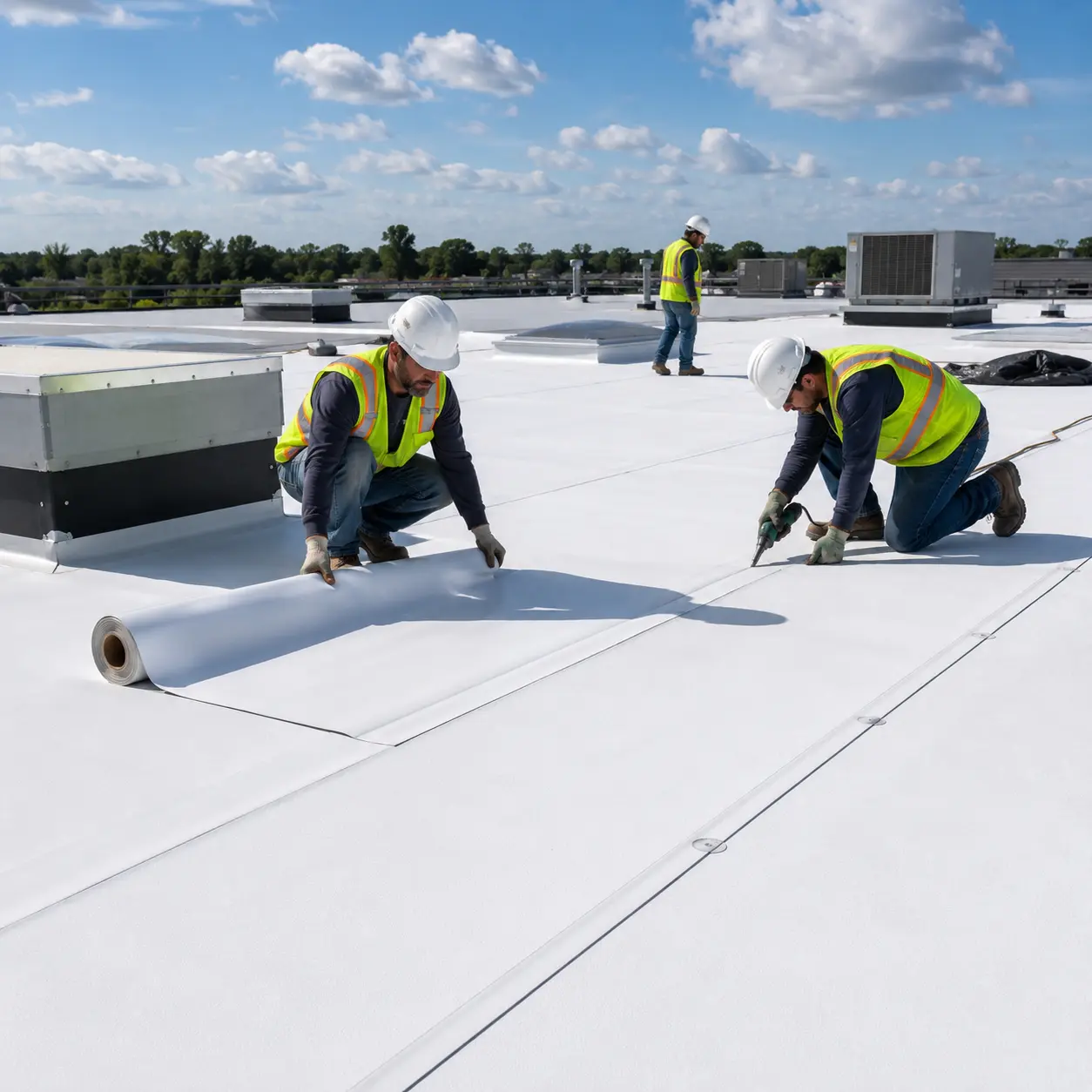
For cold storage, food logistics and other temperature-controlled buildings, waterproofing cannot be separated from the roof’s insulation decision. TPO waterproof insulation integrated panels combine the waterproof layer, insulation core and steel structural layer into one panel system. This gives the roof package a clearer route when thermal performance, waterproofing and a large-format industrial roof all need to be resolved together.
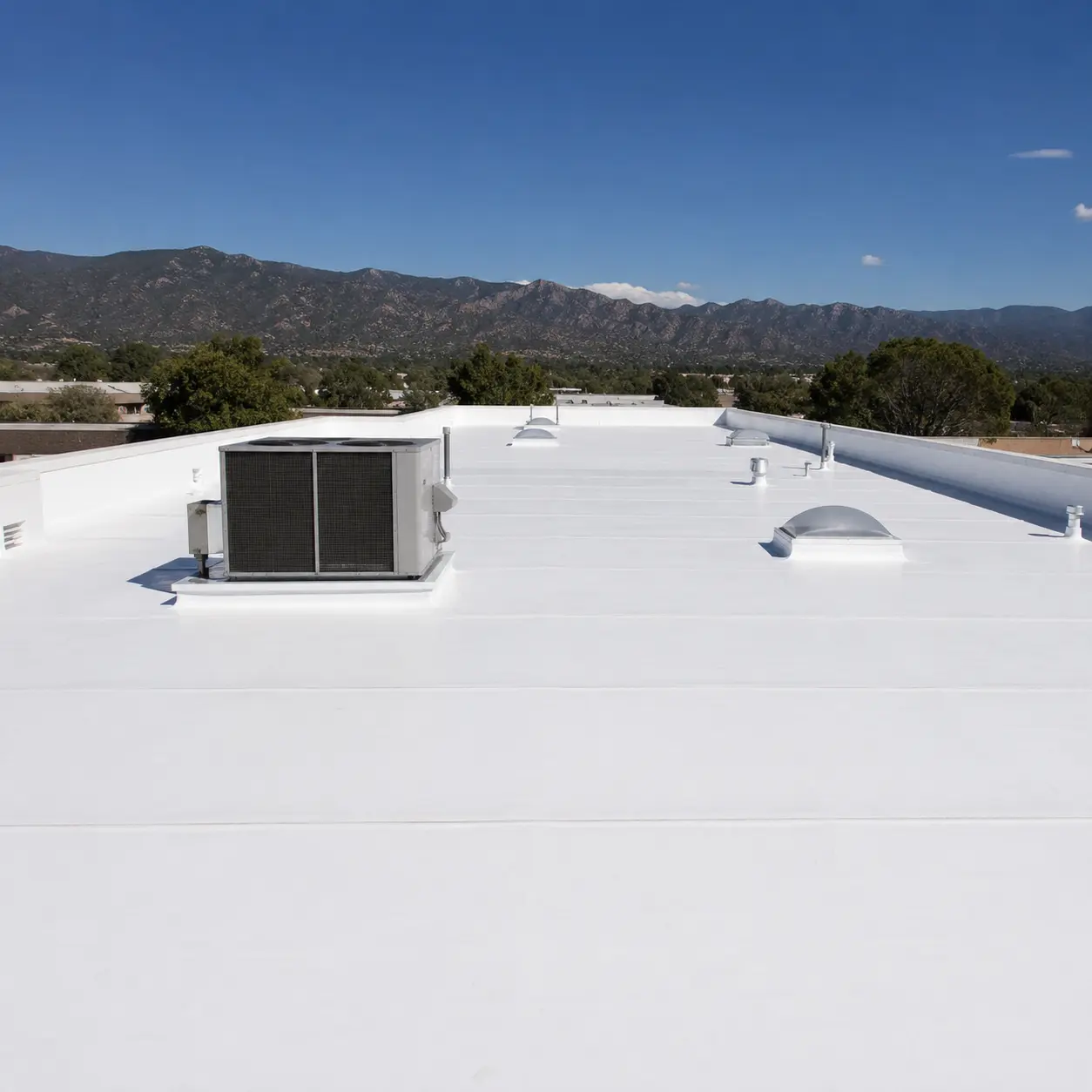
Commercial buildings, stations, venues and other public projects often have broad exposed roofs with more drainage points, parapet transitions and service penetrations than a simple industrial shed. Reinforced membrane provides the main roof coverage, while homogeneous H-type TPO supports the shaped details that must connect back into it. The result is one continuous TPO roof system built around the field area and its critical details.
Not sure which One fits your panel?
How a TPO Roof Becomes a Watertight System
For buyers, purchasing floor protection film is about more than just solving a specific installation issue. A greater concern is whether the supplier can provide consistent specifications, repackageable products, application guidance, and compliance documentation—and help reduce complaints from downstream customers. Here’s how Plasheild gives you greater peace of mind when making a purchase.
A stable substrate is the starting point for installation
Before installing the membrane, the substrate must be level, and the surface must be free of debris, dust, and sharp objects. The insulation layer is secured using special rock wool sleeves to prepare for subsequent membrane installation.
The attachment route follows the roof structure
On appropriately large metal or concrete roofs, mechanically attached TPO is installed over the roof build-up. It is secured with seam plates and fasteners within the overlap area, and then the next sheet is hot-air welded over the fixing line to complete the seal. The fixing points are positioned along the membrane edge, around 50 mm from the border, spaced according to the design. Each sleeve is then covered by the waterproofing layer. For renovation work and more complex roof shapes, fully adhered or self-adhered TPO provides a bonded system instead.
Seams and details decide the finished roof
Test welds are carried out first under local site conditions to verify the welding temperature and travel speed needed to achieve a fully fused, homogeneous lap—this approach is not copied from another project. The sheets are installed in a shingle pattern in line with the water flow, and are left to sit for 5–10 minutes before welding to release internal stress from the roll. After that, large field seams are heat-welded using an automatic hot-air welder with a nominal weld width of 40mm, ensuring an effective weld width of at least 25mm. The welding nozzle is kept clean throughout, with a wire brush used when necessary, and special care is taken at corners, around pipe roots, at drains, at skylights, and at T-shaped lap junctions. Once the seams have cooled, each lap is checked with an inspection hook to confirm there are no missed, skipped, or scorched welds, and any defects are repaired immediately before handover.
System selection at a glance
| Attachment route | Best for |
| Mechanically attached | Large commercial / industrial roofs, open steel structure |
| Fully adhered / self-adhered | Reroofing, complex substrate, metal-roof retrofit |
| Welded seam details | Laps, gutters, skylights, penetrations on any system |
5-step installation flow
- Clean and prepare the substrate; fix insulation with mineral-wool sleeves
- Test-weld under site conditions to set temperature and speed
- Lay membrane shingle-fashion; rest 5–10 min; hot-air weld (weld width 40mm, effective ≥25mm); fix edges at 50mm spacing
- Treat details — corners, pipe roots, drains, skylights, T-laps; keep weld nozzle clean
- Inspect every seam with an inspection hook; repair missed, skipped or scorched welds
Technical Specifications
| Product Type | Width | Thickness | Length | Color | Typical Application |
| Reinforced P-Type TPO Waterproof Membrane | 2.0m | 1.2mm / 1.5mm / 1.8mm / 2.0mm | 20m/roll | White or customized | Single-ply roofing, metal roof waterproofing, concrete roof waterproofing |
| Fleece-Backed L-Type TPO Membrane | 2.0m | 1.2mm / 1.5mm / 1.8mm / 2.0mm | 20m/roll | White or customized | Reroofing, single-ply roofing, concrete roof waterproofing |
| Homogeneous H-Type TPO Waterproof Sheet | 2.0m / 1.0m / customized | 1.2mm / 1.5mm / 1.8mm / 2.0mm | 20m/roll / 400m/roll / 600m/roll | White or customized | Roof detail treatment, TPO fused tile accessories |
| Self-Adhesive H-Type TPO Membrane | 2.0m | 1.2mm / 1.5mm / 1.6mm / 1.8mm / 2.0mm | 20m/roll | White or customized | Metal roof, concrete roof, underground waterproofing |
| TPO Fused Tile | Profile-based | 2.4mm / 2.1mm / 1.8mm total combination | By project | White or customized | Industrial light roof systems |
| TPO Waterproof Insulation Integrated Panel | By panel type | 40mm / 50mm / 60mm / 75mm / 100mm total thickness | Customized by project | Project-based | Industrial roofs, cold-chain warehouse roofs, public building renovation, prefabricated roof systems |
Recommended footnote: Values based on internal testing; figures vary by thickness specification — confirmed values provided with production batch QC report.
TPO vs PVC vs EPDM Which Membrane Fits Your Project?
| Decision point | TPO waterproof membrane | PVC roofing membrane | EPDM roofing membrane |
| Material route | Thermoplastic polyolefin single-ply membrane | Thermoplastic single-ply membrane | Thermoset synthetic-rubber membrane |
| How seams are joined | Hot-air welded laps and detail sheets | Hot-air welded laps and detail sheets | Tapes and primers create the seam connection |
| Typical installation routes | Mechanical attachment, full adhesion or self-adhered renovation routes | Mechanical attachment, adhesion or other PVC-compatible system routes | Mechanically attached, adhered or ballasted EPDM routes |
| Best matched project condition | Metal-roof renovation, industrial roofing, heat-welded detail work, or projects needing fused tile and insulated-panel options | Projects already specified as PVC, PVC-compatible details, or roofs needing a dedicated chemical-exposure review | Roofs and installation teams already using EPDM tape-seam details and accessories |
| Key selection point | Select the membrane form for the roof field, details and renovation condition | Keep the roof assembly, accessories and details within one PVC system | Select the complete EPDM seam and accessory route, not only the membrane |
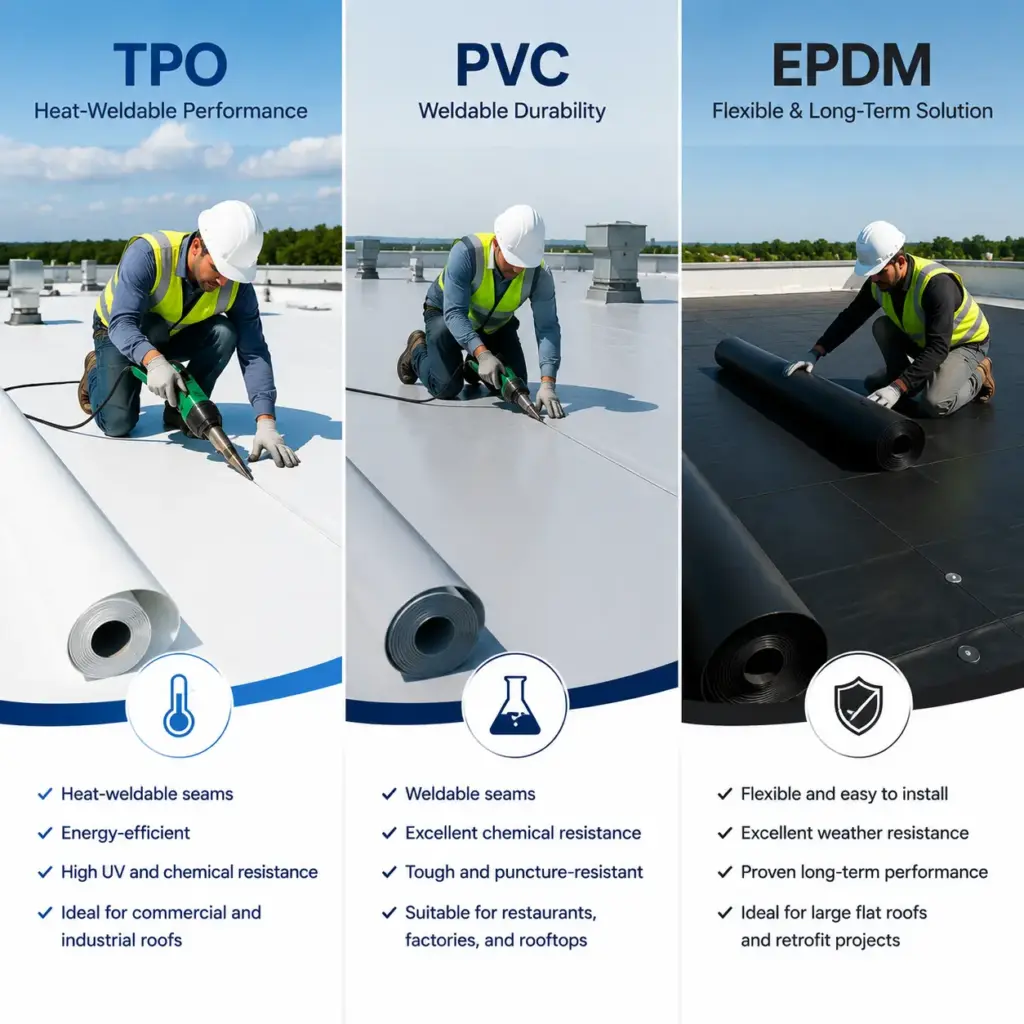
Choose TPO when the project needs a heat-welded roofing path and multiple TPO product forms. Keep PVC when the roof specification is built around PVC. Assess EPDM as a separate rubber-membrane system when the existing roof and installation route are already configured for taped seams.

Plashield Company Strength
20+ years in polymer protection, advanced R&D labs, patented adhesive systems, peel-strength testing, UV aging simulation.
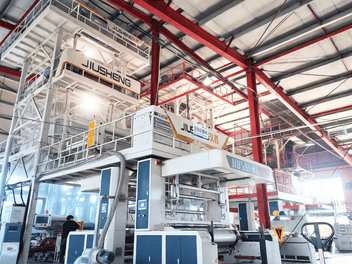
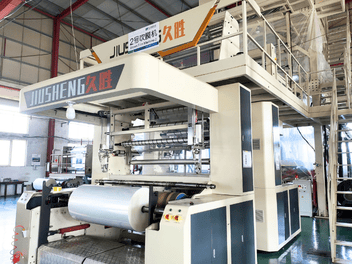
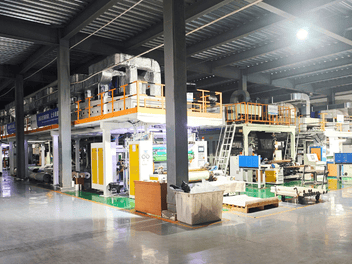
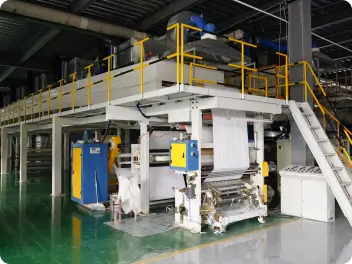
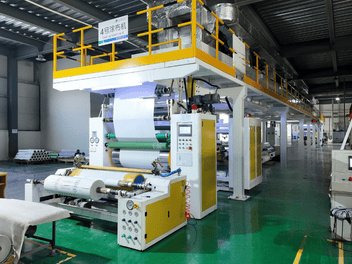
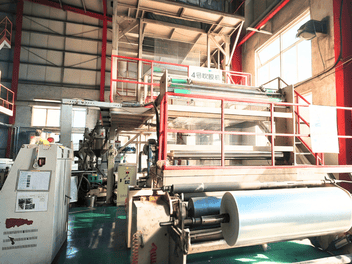
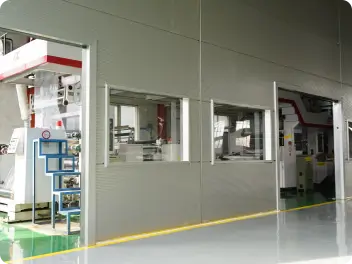
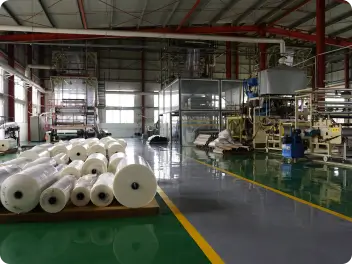
8+ integrated production lines, 200 million m² annual capacity, ±0.5% coating precision, ±1mm slitting accuracy.
ISO 9001 certified, multi-step testing (tensile, adhesion, UV, appearance), traceable batch QC, 100% virgin materials.
7×24 support, custom adhesion matching, OEM printing, export packaging, tailored roll sizes (18mm–1600mm).
Trusted by panel factories, construction companies, and distributors in 60+ countries.
How We Serve You

Share your surface, process, and usage conditions
Free samples shipped within 3–5 days.
Adjust tack level, thickness, color, or printing.
Fast lead time: 7–15 days.
Export-ready packaging + documentation.
Customer Cases
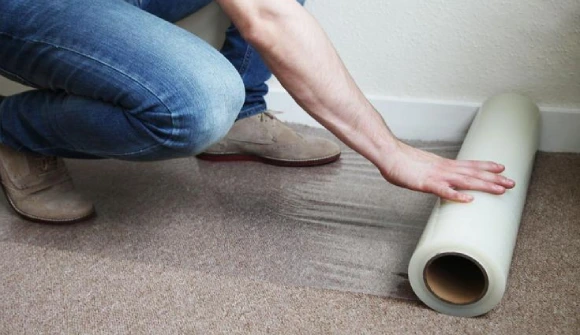
An Irish distributor with over a century in the household goods trade needed PE protective film that could actually move through European retail — shelf-ready, branded, and packaged to meet supermarket planogram requirements. The problem wasn’t sourcing film. It was finding one supplier who could handle the display packaging, consolidate three SKUs into a single order, and cut the 45-day lead time their previous vendor was running. This case documents exactly how that was solved.
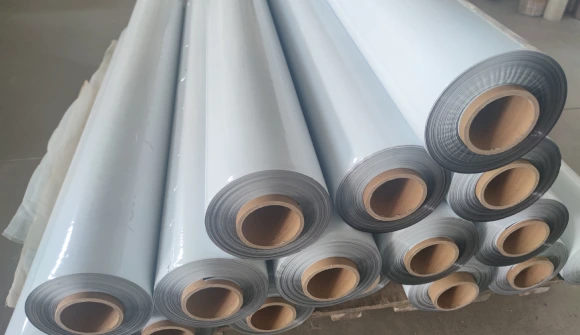
An Israeli importer of aluminum profiles and building materials was losing end-customer confidence to a problem they couldn’t resolve at their level: their PE film supplier was shipping batches with inconsistent adhesion and occasional residue on powder-coated aluminum surfaces. The switch to Plashield began as a small verification order in August 2025. By the end of the trial, it had been confirmed as a long-term supply arrangement.
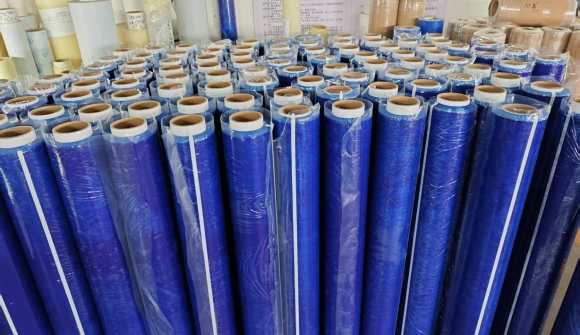
Window and door installers in Australia face a problem that’s common in the trade but rarely addressed directly: protective film left on-site during construction is exposed to months of UV and heat, causing the adhesive to harden. When the film is finally removed, it leaves residue on glass and aluminum profiles — generating cleaning costs and end-homeowner complaints. This Melbourne-based SME came to Plashield in June 2025 to resolve exactly that.
FAQS About TPO Waterproof Membrane
What is TPO waterproof membrane?
TPO waterproof membrane is a single-ply thermoplastic polyolefin roofing material. Because it is thermoplastic, adjacent sheets and detail pieces can be heat-welded together to form continuous waterproofing laps. Reinforced, fleece-backed, homogeneous and self-adhesive forms serve different roof fields, renovation routes and detail conditions.
Can TPO membrane be installed over an existing metal roof?
Yes, TPO can be used for metal-roof renovation when the existing roof provides a suitable, prepared substrate. The route is selected around rusted areas, loose sheets, drainage, existing coatings, fastener lines and penetrations. Fleece-backed L-type or self-adhesive H-type TPO can support bonded renovation routes, while detail sheet treats the transitions that are most likely to leak.
How are TPO membrane seams made waterproof?
TPO seams are made waterproof by hot-air welding overlapping membrane edges and detail pieces into a continuous lap. The membrane surfaces must be clean and correctly positioned before welding, and the final weld needs to be checked after cooling. Drains, gutters, roof edges, curbs and pipe penetrations need the same continuous welded waterproofing path as the main roof field.
Which TPO membrane is used for the main roof and roof details?
Reinforced P-type TPO is used for the broad waterproofing field on exposed metal and concrete roofs. Homogeneous H-type sheet is used where the membrane must form around drains, corners, penetrations and other shaped details. For bonded reroofing, fleece-backed L-type and self-adhesive H-type TPO provide additional installation routes.
Can a TPO roof combine waterproofing with insulation or photovoltaic equipment?
Yes. TPO waterproof insulation integrated panels combine the waterproof layer, insulation core and steel structural layer in one roof-panel system. For photovoltaic roofs, TPO/PVC support components are available for the support-to-roof interface. In both cases, the membrane route and the roof details must be designed together so that added insulation or equipment does not interrupt the waterproofing layer. You can check Tseason TPO photovoltaic roof
Packing & Shipping
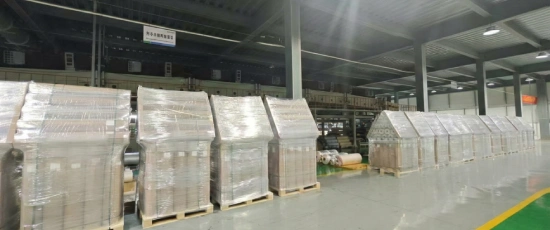
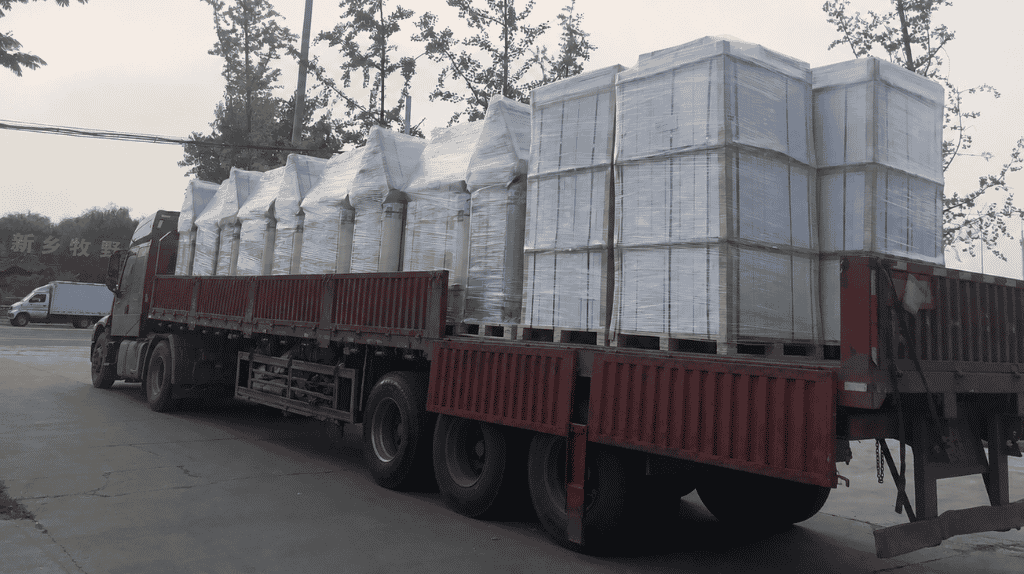
- Packed in shrink-wrapped rolls + carton boxes
- Label with product name, size, lot and instructions
- Palletized for domestic or export shipments
- Optional: retail-ready packaging for distributors