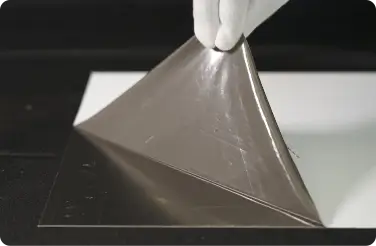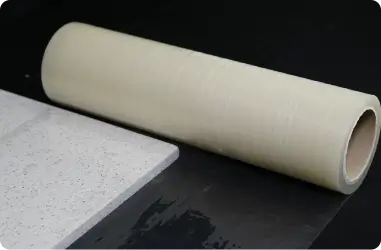




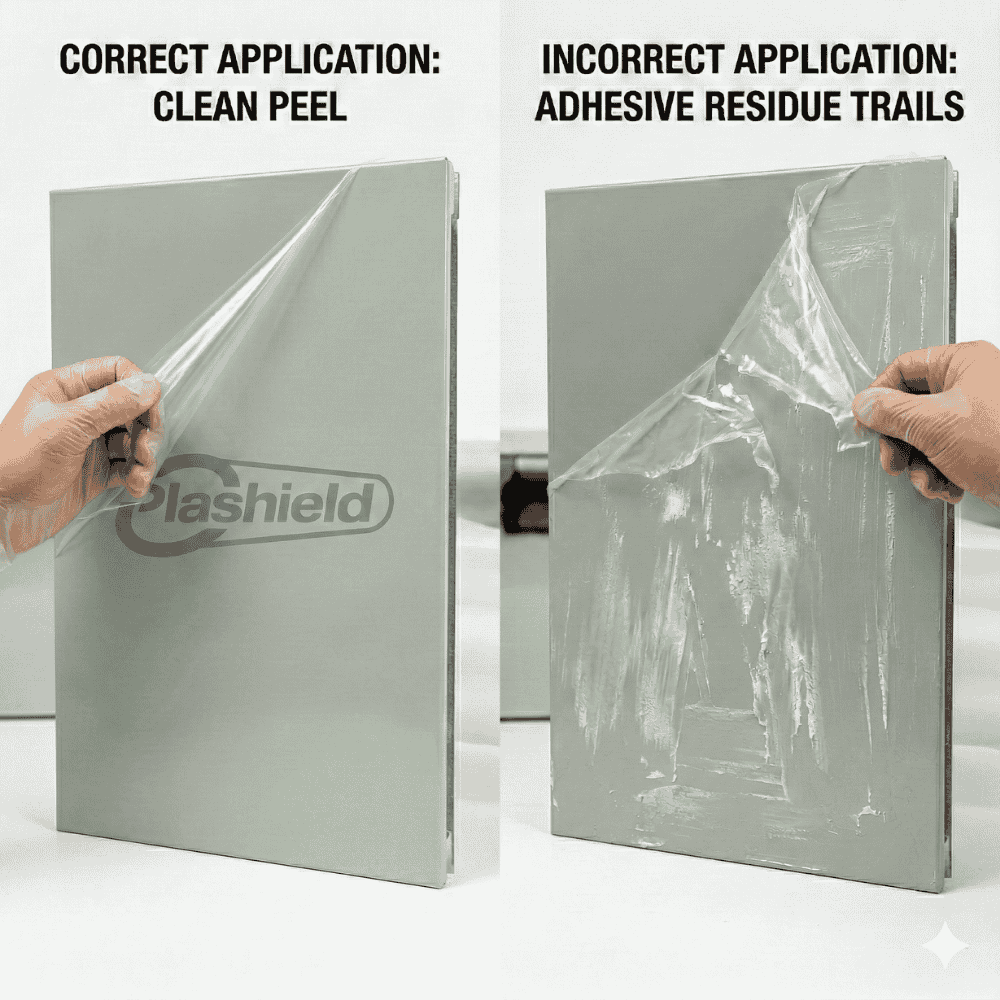
Imagine this: your factory takes delivery of 1,000 rolls of protective film, runs a full production batch, and ships finished panels to a major client—only to receive an urgent complaint two weeks later. White adhesive residue trails are visible across every panel surface. The client demands replacement. The cost: not just the film, but the panels, the rework labor, the freight, and potentially the client relationship itself. This scenario happens more often than the industry admits, and in nearly every case it was preventable. The root cause is almost never bad luck. It is one—or several—of the seven sourcing mistakes outlined in this article. Whether you produce color-coated steel coils, PIR sandwich panels, or roll-formed roofing sheets, these are the pitfalls that cost manufacturers time, money, and client relationships.
Mistake #1: Ignoring Film-Surface Compatibility
Not all PE film works on all coated steel surfaces. Pre-painted steel comes in multiple coating chemistries—polyester (PE), silicon-modified polyester (SMP), high-durability polyester (HDP), and PVDF—and each has a different surface energy. A film with the wrong tack level will either bond too aggressively, making removal difficult and leaving residue, or fail to adhere consistently, lifting at panel edges during roll-forming or transit.
The coating type is not the only variable. Surface texture matters too. A smooth high-gloss PVDF panel and an embossed matte roofing sheet require different adhesive formulations even if both are “color-coated steel.” Applying a single standard film across all surface types is one of the most common—and most expensive—mistakes procurement teams make.
Before approving any color coated steel protective film for volume use, always run a compatibility test on your specific coating brand, coating chemistry, and surface finish. No reputable supplier should hesitate to support this step.
Mistake #2: Choosing a Supplier with No Technical Support
Sourcing protective film is not a commodity purchase. The film specification that works on your flat-sheet storage line may tear on a high-speed roll-forming machine running at 40 m/min. The tack level suitable for a 30-day domestic shipment will fail on a 90-day container transit to the Middle East. These are process-specific variables, and only a supplier with genuine application engineering knowledge can help you navigate them.
A distributor who only fulfills orders cannot tell you why your film is tunneling, why adhesion is inconsistent across roll width, or how to adjust thickness for a new coating grade. That gap in support becomes your problem at the worst possible time—mid-production.
Plashield provides custom film development and technical consultation as part of its standard service model. Their engineering team can match adhesion level to your exact paint system (PE, SMP, PVDF), production line speed, and downstream storage or transit conditions. That capability is not a premium add-on—it is what separates a manufacturing partner from a roll supplier.
Mistake #3: Skipping Adhesive Residue Testing Before Bulk Orders
Adhesive residue is the number one complaint in the color steel and sandwich panel industry. It is also the most preventable—if caught before bulk production begins rather than after. The problem is that many buyers accept a sample, confirm initial adhesion, and place a volume order without conducting accelerated aging or UV exposure tests on that specific batch.
Residue failure rarely appears at ambient temperature on the day of application. It appears after UV exposure during outdoor storage, after thermal cycling in a container, or after the film has been applied for 60–90 days on a job site. By then, the panels have shipped and the cost of the failure has multiplied dramatically.
Plashield applies a 32-item quality test protocol to every production batch of sandwich panel protective film. Tests cover initial tack, 180° peel force, holding power, tensile strength, elongation, UV aging adhesion retention, heat resistance, temperature cycling performance, and chemical resistance—under both ambient and accelerated aging conditions. Per-batch COA documentation is available for every order, not just upon request for large volumes.
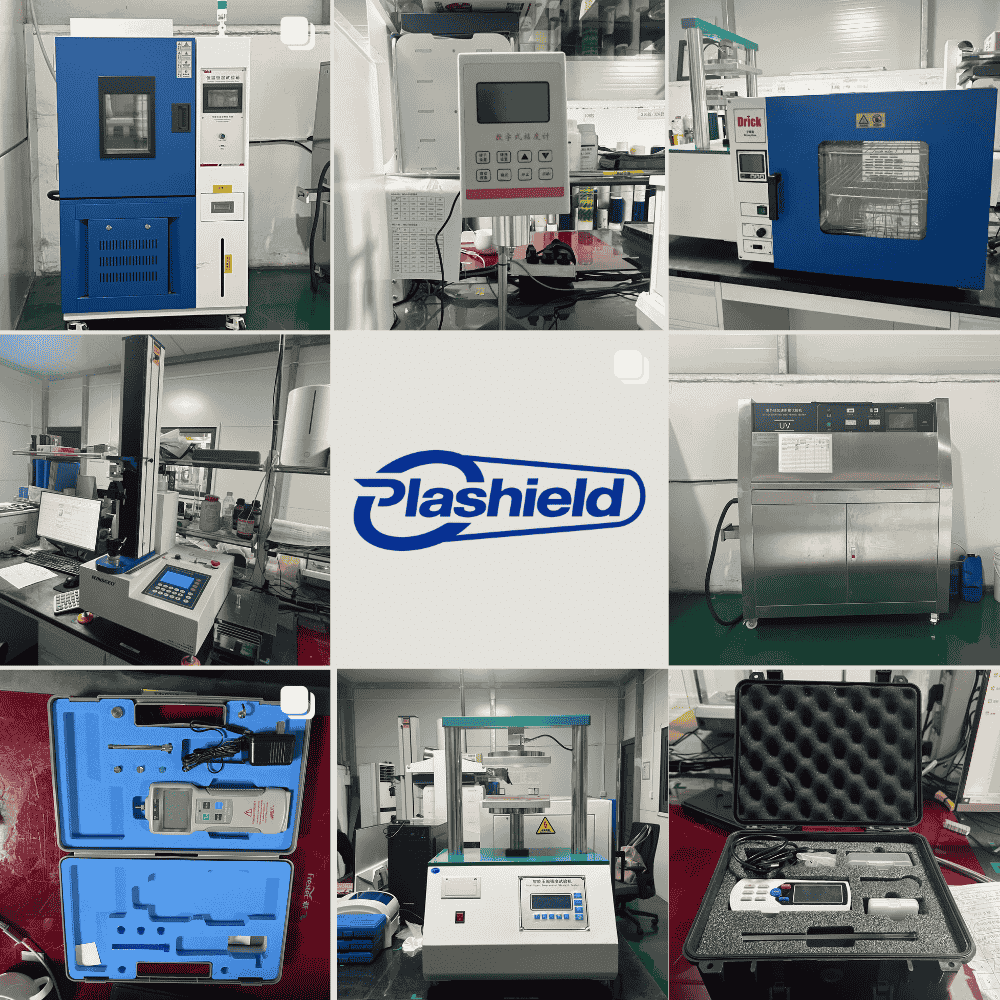
What to demand before any bulk order: Request the per-batch COA, peel adhesion value in N/25mm, UV aging test result showing adhesion retention after accelerated exposure, and heat resistance specification matched to your storage or shipping temperature range.
Mistake #4: Accepting Hazy Film That Damages Aesthetics
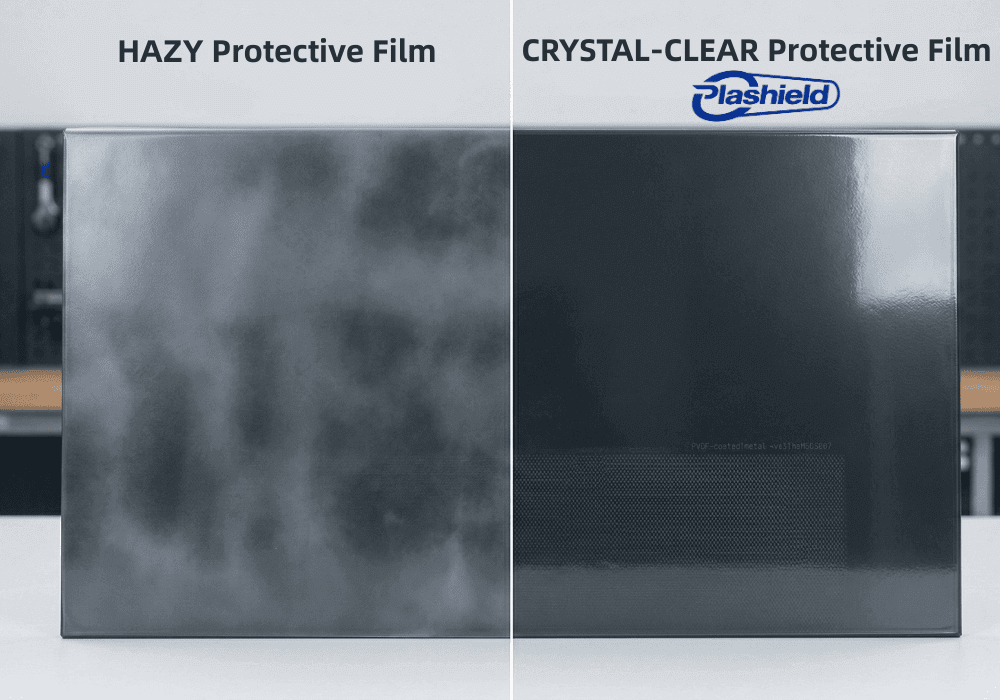
Walk through a finished-goods warehouse and you’ll occasionally see panels wrapped in film that looks milky, opaque, or uneven in optical clarity. This is not a cosmetic inconvenience—it is a direct signal of low-grade resin. Calcium carbonate filler, recycled PE content, or poorly controlled blending compounds scatter light rather than transmitting it cleanly, producing a hazy appearance that makes premium coated surfaces look dirty, defective, or aged before they’ve left the factory.
This matters commercially. Your customers—contractors, distributors, and building owners—inspect panels before installation. A panel that looks cloudy under film triggers unnecessary quality concerns, slows acceptance inspections, and damages confidence in your brand regardless of the actual steel surface condition underneath.
Plashield’s PE film products are manufactured from 100% virgin PE resin with zero calcium carbonate filler and zero recycled content. The result is consistent optical clarity across every roll—finished panels look as clean and professional under film as they do without it.
Mistake #5: Trusting New Suppliers Without an Industry Track Record
Every protective film supplier claims to be compatible with color-coated steel. Very few can demonstrate documented, referenceable experience with factories whose production conditions, coating types, and downstream requirements match yours. For a large panel factory, the risk of trialing an inexperienced supplier on a production run is disproportionate to any potential price saving.
Plashield has been manufacturing protective film since 2004—over 20 years of continuous production and product development in this category. Their client base includes more than 1,000 leading color steel and sandwich panel manufacturers globally, with supply coverage across the major steel coating brands used in construction applications worldwide. That depth of industry exposure translates into real-world application data, failure mode experience, and formulation knowledge that a newer entrant simply cannot replicate.
For complex specifications, Plashield’s documented case experience provides direct evidence of capability. See their custom protective film solution for a Saudi Arabia sandwich panel factory—a project requiring ultra-thin film development, full production line compatibility, and supply chain reliability for a manufacturer with over USD 200,000 in annual film procurement volume.
Mistake #6: Overlooking Thickness Tolerance and Roll Length Accuracy
This is the silent profit killer in protective film procurement. A roll labeled 2,000 meters that consistently delivers 1,940 meters represents a 3% volume loss on every order—before any other variable. A film stated at 60 µm with a systematic −5% thickness tolerance ships at 57 µm. These shortfalls compound: a −5% thickness deviation combined with a −3% roll length shortfall results in approximately 8% less usable material per order than you paid for—invisible at goods receipt, significant at scale.
The formula is straightforward: usable area per roll (m²) = roll length (m) × film width (m). If either dimension is under-delivered, your actual coverage falls short of what your production plan assumed. Across annual procurement volumes of hundreds of thousands of meters, the cumulative financial impact is substantial.
Plashield operates under a zero negative tolerance policy on both thickness and roll length. Every roll ships at or above nominal specification, supported by production-line gauge records and roll-winding length counters. Plashield’s manufacturing specs confirm ±0.5% coating precision and ±1mm slitting accuracy—tolerances that protect your yield calculations and procurement budget.
Mistake #7: Ignoring After-Sales Guarantee and Claims Process
What happens when a batch underperforms? The answer to that question—not the sales pitch before the order—is what defines a reliable supplier. Factories that have experienced poor film performance know the pattern: a supplier who was responsive during quotation becomes difficult to reach once a quality claim is raised. Without batch traceability, there is no evidence. Without a documented claims process, there is no commitment.
Every PE protective film manufacturer you evaluate should be able to answer three questions before you sign a purchase order: How do you trace a quality issue back to a specific production batch? What is your written process for handling a claim? What is your committed response time? If any of those answers are vague, the risk of a future quality dispute sits entirely with your factory.
Plashield provides per-batch COA documentation, full batch traceability from production records, and a defined after-sales process with a 24-hour response commitment for technical queries. Their packaging includes printed labels with lot number, production date, and product specifications on every roll—enabling accurate claim documentation at any point in the supply chain.
Real-World Case Study — Plashield for a Saudi Arabia Sandwich Panel Manufacturer
A sandwich panel manufacturer in Saudi Arabia required a protective film solution that addressed several simultaneous challenges: reducing procurement and operational costs, improving production line efficiency, ensuring fast and reliable delivery, and achieving zero on-site complaints from their end customers.
Plashield developed a custom ultra-thin 25-micron (2.5 silk) × 3,000-meter roll formulation specifically for this client’s production line. This specification solved a key technical problem the client had experienced: sticking and handling difficulties during long-length film production runs. The ultra-thin format reduced material cost per panel while the 3,000-meter roll length reduced roll change frequency and improved line throughput.
Post-production testing covered peel force, tensile strength, elongation, and UV resistance—verified under both natural conditions and accelerated aging protocols. A dedicated production line was assigned to this account to ensure delivery scheduling consistency. The outcome: zero on-site complaints, measurable cost reduction, improved production stability, and a long-term partnership that has continued since the first cooperation date of March 2024.
“Stable quality with zero complaints. Quick delivery and excellent coordination helped us improve production efficiency and reduce costs. Plashield is a reliable long-term partner.”
— Metal Sandwich Panel Manufacturer, Saudi Arabia
View the full sandwich panel protective film case study →
How to Evaluate a Reliable Metal Protection Film Supplier
Use this checklist before approving any protective film supplier for your color steel or sandwich panel production line:
- ✅ Surface compatibility confirmed — Film tested and approved on your specific coating type (PE/SMP/HDP/PVDF) and surface texture
- ✅ Per-batch COA available — Not a generic product datasheet, but batch-specific test data for every shipment received
- ✅ 32-item quality test protocol on file — Covering peel, tack, UV aging, heat resistance, tensile, elongation, and residue under accelerated conditions
- ✅ 100% virgin PE resin confirmed — Written declaration of zero recycled content and zero calcium carbonate filler
- ✅ Zero negative tolerance on thickness and roll length — Confirmed in writing, supported by production records
- ✅ UV aging specification stated and testable — Minimum 6–12 months depending on application, per documented test method
- ✅ References from the same industry segment — Verifiable clients in color steel, sandwich panels, or roll-forming operations
- ✅ Dedicated technical support engineer assigned — With a committed response time for production issues (24 hours or less)
- ✅ Defined after-sales claim and replacement process — Documented SLA, not a verbal commitment
- ✅ Sample evaluation supported before bulk order — Free samples shipped within 3–5 days for compatibility testing on your actual surface
Ready to Get It Right? Talk to Plashield’s Engineering Team
If you’ve experienced residue problems, inconsistent adhesion, hazy film, short meters, or unreliable suppliers, the fix starts with the right specification—not just a lower price. Share your panel type, coating brand, required film thickness, tack level preference, and production process with Plashield’s team, and they will recommend the correct color coated steel protective film grade for your line—backed by a full per-batch COA, 32-point test protocol, zero-tolerance shipping guarantee, and dedicated technical support.
Contact the PE protective film manufacturer trusted by 1,000+ color steel and sandwich panel factories in 60+ countries. Request your free sample kit and technical consultation at plashield.com.