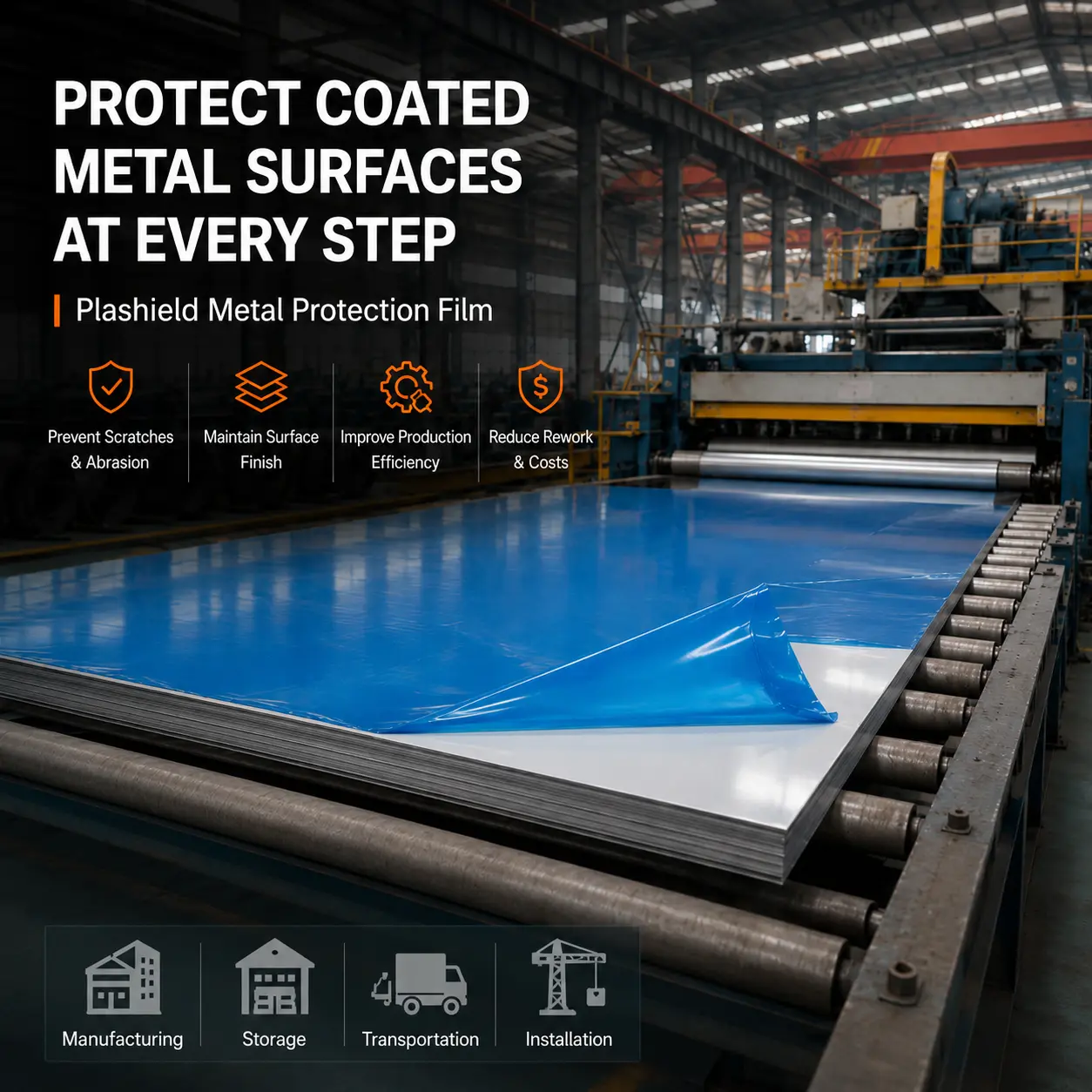




You don’t need the most expensive film to protect your stainless steel. You need the right grip for your production line, a clean finish after removal and a price that makes sense for your order.
For many stainless steel applications, start with water-based acrylic film. It covers 8K mirror finishes, decorative sheets and a broad range of plate processing. In suitable applications, replacing imported rubber film with a matched water-based film can reduce your film purchasing cost by more than 30%.
At Plashield, we help you find that match. Send us a photo of your panel or a sample of your current film, and we can discuss a suitable option for your surface, process and budget.
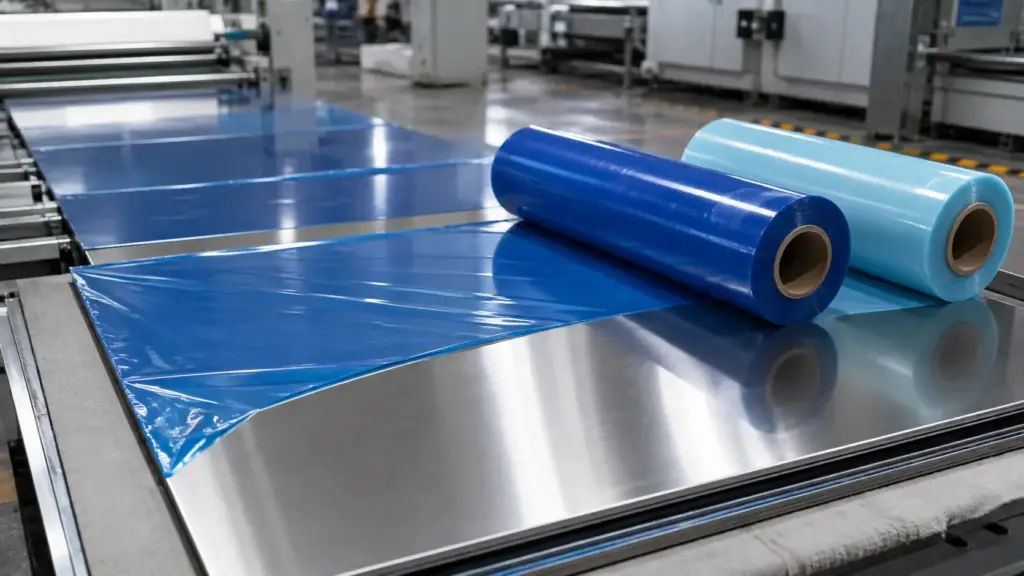
Three film types at a glance
Water-based acrylic, rubber-based and solvent-based acrylic are three adhesive options you’ll encounter when buying stainless steel protective film. PE refers to the backing, so two PE films can behave differently because they use different adhesives.
| What you’re comparing | Water-based acrylic film | Rubber-based film | Solvent-based acrylic film |
| Adhesive | Acrylic with water as the coating carrier | Solvent-coated rubber in the grades compared here | Acrylic with an organic solvent carrier |
| Main advantage | Broad application coverage at a lower purchasing cost | Strong initial grip for demanding work | Another option for specific surface and processing needs |
| Where to start | 8K mirror, decorative sheet and general sheet or plate processing | Very thick plate, severe forming and jobs that need stronger hold | Applications where a particular solvent-based acrylic grade fits the job |
| Price position | The economical starting point | Higher, especially for imported grades | Between the other options in this purchasing comparison |
| What matters on your line | Staying attached and peeling cleanly | Getting the extra hold you need without difficult removal | A clear advantage for your particular process |
Rubber adhesives also come in other constructions. When comparing offers, use the adhesive specification as well as the product name.
Water-based coating uses water as its main carrier instead of an organic solvent. That gives it an environmental advantage at the coating stage, alongside its appeal as a lower-cost option for stainless steel protection.
Start with water-based film when you want to reduce costs
If you’re buying imported rubber film for everyday sheet handling or decorative stainless steel, ask whether you still need to pay that premium. A suitable water-based replacement can do the job at a lower film cost.
Our purchasing reference for imported rubber-film grades is around RMB 4.2-5.0 per m². For your own comparison, line up the thickness, usable roll area, printing, quantity and delivery terms. Then look at what happens on the line: a saving should not come at the expense of damaged panels, extra cleaning or difficult film removal.
Send us the specification you currently buy, or start with a photo of the roll label. We can recommend a water-based option and give you a current quotation. You’ll have a concrete price to compare before changing your supply.
Choose by your surface and processing needs
Protect 8K mirror and decorative panels without overpaying
An expensive surface doesn’t automatically need an expensive rubber adhesive. A properly matched water-based film can protect 8K mirror and other higher-value decorative panels.
For these finishes, the details are visible. Trapped particles, impressions and adhesive marks can spoil an otherwise good panel. For brushed or textured steel, the film also needs good contact across the surface and along the edges.
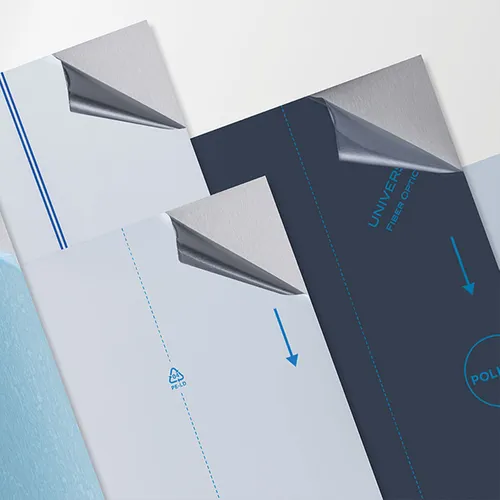
Our stainless steel protective film combines PE backing with water-based acrylic adhesive. We match adhesion, thickness and roll dimensions to your panel and processing line. That means you can ask for a film suited to your work instead of choosing only by the adhesive name.
Keep rubber film for jobs that need its stronger grip
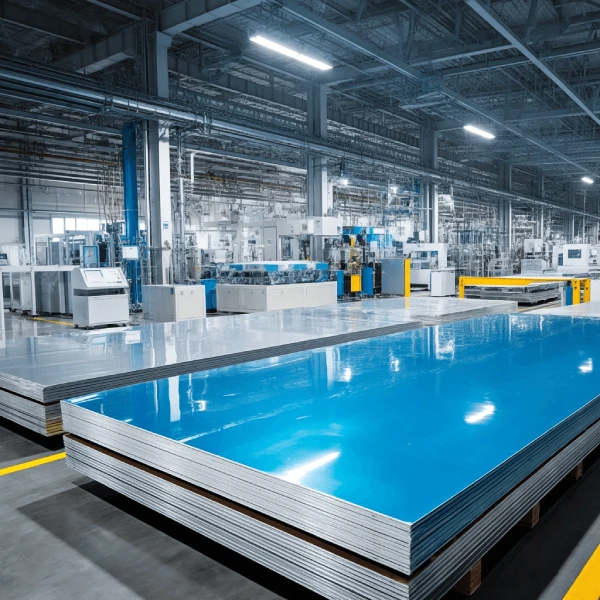
Very thick plate and severe forming are good reasons to compare a suitable rubber grade. Its strong initial grip can be useful when the film faces demanding handling or deformation.
Tell us what happens to your steel. Is it simply stacked and transported, or does it go through bending, drawing or cutting? Does it contact lubricant or heat? A thick plate in transport and a panel going through deep forming need different protection.
Different rubber grades cover different jobs. If you’re considering a locally produced alternative, compare adhesion, removal and roll quality across batches, not just the first sample. Consistent supply matters when the same film runs through your line every day.
Choose solvent-based acrylic for a specific requirement
Solvent-based acrylic, sometimes called oil-based acrylic film, is another option when you need a different balance of adhesion and processing performance.
Consider it when the proposed grade offers a clear benefit for your job. Ask what it improves over the water-based or rubber option you’re comparing, then compare adhesion, processing and removal alongside price.
A quick clue to tell water-based and rubber film apart
A hot-water check can help distinguish the samples compared here. After exposure to boiling water, the water-based film turns whitish and its adhesive surface feels slippery. The rubber film does not show the same change.
Let the sample cool before handling it, use a controlled procedure and keep food utensils out of the test. If you’d rather have us assess the sample, send it with a piece of your stainless steel.
Use the observation to help identify the film. Choose the production grade by how it holds, handles exposure and removes from your actual panel.
Get the protection you need rather than the strongest adhesive
A film that feels stickier when you first touch it isn’t necessarily the better purchase. The film needs to hold through your work and come away cleanly afterward.
Water-based film is an established choice and can replace rubber film in many stainless steel applications. For routine processing, it deserves a place on your shortlist before you commit to a higher-priced roll.
A sample run lets you compare the things that affect your business: edge lifting, surface appearance, removal effort and film cost. Run the film through your normal processing and storage sequence, then inspect the panel after peeling. For outdoor work, include the exposure and planned removal time when discussing the grade with us.
Frequently asked questions
Can I use PE film with different adhesive types?
Yes. PE describes the backing, while water-based acrylic, rubber and solvent-based acrylic describe the adhesive. Specify both when ordering so you’re comparing the right products.
Should I choose the film with the strongest initial tack?
Choose enough grip for your process. Stronger initial tack is useful when handling or forming needs it, but easy removal and the final panel appearance matter too.
What should I compare when switching from imported to domestic film?
Compare price per usable square metre, thickness, roll dimensions, printing and delivery terms. Check the film through your normal process and compare repeat batches for consistent adhesion, removal and roll quality.
Can the same film stay on through storage and outdoor installation?
Choose a grade suited to both stages. Tell us how long the film will stay on, the temperatures it will face and its outdoor exposure so we can discuss the right option.
How do I keep repeat orders consistent after approving a sample?
Agree on the film specification and keep it tied to your surface and process. Include adhesion, thickness, roll dimensions and the removal checks used for approval. These give you a clear basis for comparing later deliveries.
Find your film match with Plashield
Want to lower your film cost or solve a problem with lifting, residue or difficult removal? Start by sending us a photo of your stainless steel surface, your current film or its roll label. Tell us what you’d like to improve.
We offer free sample testing and one-to-one technical matching. You can send a panel sample and a piece of your current film so we can help you compare a suitable alternative.
For a price, share the roll size and quantity you need. We can work through the remaining details with you, including printing, processing conditions and the point at which you’ll remove the film.
Contact Plashield for free sample testing and a quotation. Let us help you choose a film that fits your production and purchasing budget.