



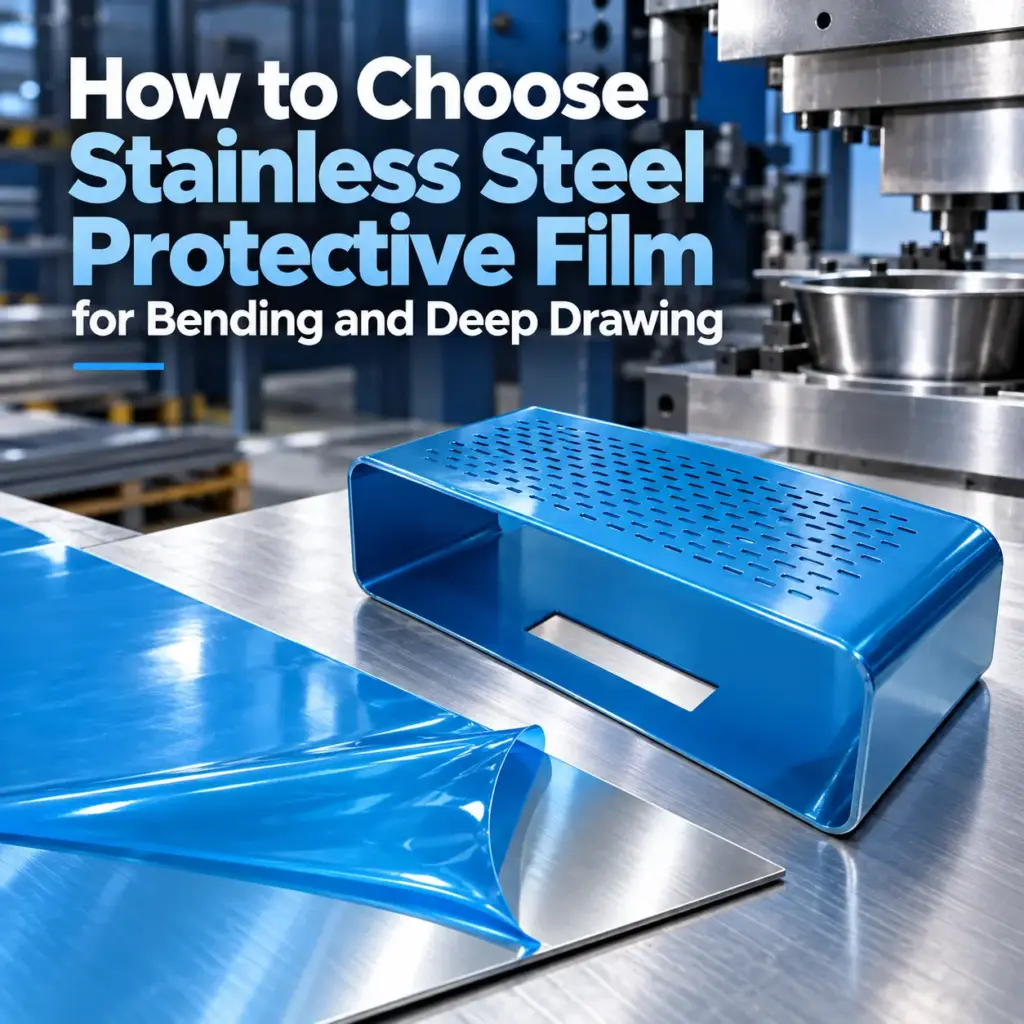
Stainless steel plates are widely used in modern manufacturing, construction and household appliances, but their surfaces are very vulnerable to damage during processing. PE stainless steel protective film can effectively reduce scratches, scuffs and surface damage caused by bending, deep drawing and other forming processes. However, these processing processes will cause the protective film to bear significant stress, which is easy to cause the film edges, localized peeling, or even film rupture. To solve such problems, it is not enough to simply choose a higher adhesion protective film. Its actual performance is also related to the adhesive formula, film flexibility, stainless steel surface condition and specific processing conditions.
This article will analyze the main reasons for the warping of stainless steel protective film in the process of bending and deep drawing, and introduce how to optimize the adhesive performance and choose the appropriate protective film, so as to achieve more reliable surface protection in metal forming processing.
Why Do Forming Applications Require a Different Level of Stainless Steel Protection
Standard stainless steel protective film is mainly used in the process of storage, transportation and handling to prevent scratches, dust pollution and other problems on the surface of the sheets. However, when stainless steel undergoes the bending or deep drawing process, the requirements of the protective film are no longer just surface protection under static conditions, but also need to continue to maintain a stable fit while the material is deformed and withstands mechanical stress. During the bending process, the film will be stretched or compressed as the shape of the sheet changes; deep drawing involves more complex deformation. In this case, the protective film needs to have better flexibility, elongation and adhesion performance. Therefore, the forming process needs to select a specially matched protective film according to the material type, surface treatment method and actual processing conditions.
Why Does Stainless Steel Protective Film Lift During Bending and Deep Drawing
Insufficient Adhesion to Stainless Steel Surfaces
If the adhesive lacks sufficient wetting properties on the surface of stainless steel, or the initial tack is insufficient, the protective film is easy to peel off or curl at the cutting edge or in areas subject to high bending stresses. Before the processing begins, the surface energy and the effective contact area determine whether the adhesive layer can be firmly attached to the metal surface.
Film Tension and Elastic Recovery During Forming
During the bending process, the shape of the stainless steel sheet changes, and the protective film will be subjected to intense tensile, compression and local shear stress. This places higher requirements for the flexibility and fitting ability of the film. If the protective film adhesive layer lacks sufficient shear resistance or internal cohesion, the film may stretch or develop wrinkles, leading to edge lifting.
Surface Finish, Contamination, and Processing Conditions
The surface of stainless steel has a variety of conditions, from 2B and BA surfaces to brushed surfaces and mirror surfaces. The difference in residual oil, lubricant, fine dust or surface roughness will directly affect the adhesion effect of the adhesive. In addition, processing conditions may further exacerbate these problems. High-speed processing, high-pressure mold contact, and heat and mechanical force generated by friction are also common factors that cause edge curling.
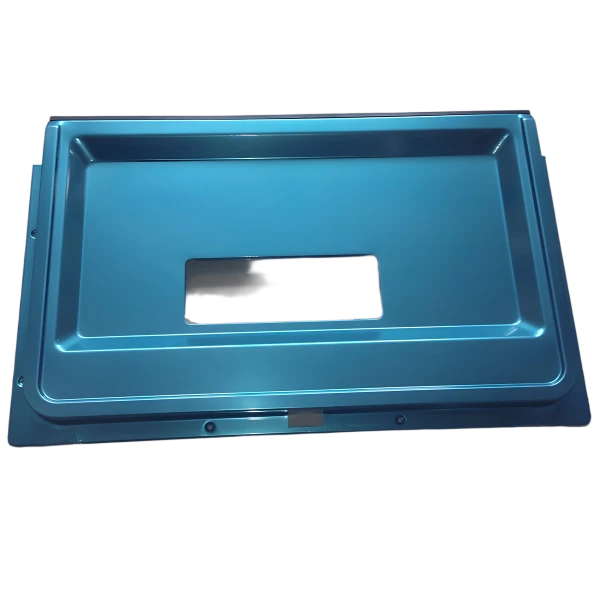
How to Prevent Protective Film Lifting During Bending and Deep Drawing
Optimize Adhesive Formulation for Forming Applications
The adhesive formula directly affects the adhesion stability of the protective film during bending and deep drawing processes. A suitable adhesive needs to have sufficient initial adhesion, appropriate peeling adhesion, and good cohesive strength to withstand the stress generated during the forming process. However, the higher the stickiness does not mean that the better the protection effect. Simply increasing the initial adhesion may lead to adhesive residue or later peeling difficulties. The key point of formula design is to achieve a balance between adhesion, shear resistance and peel performance according to specific processing requirements.
Choose a Film with Suitable Elongation and Conformability
The substrate of the protective film needs to have good fracture elongation at break, tensile strength and flexibility, so as to adapt to the shape changes of stainless steel sheets and avoid problems such as tearing, wrinkling or delamination. If the film is too stiff, it may be difficult to adapt to a smaller bending radius and produce additional stress at the edge; if the mechanical strength of the film is insufficient, it may cause excessive stretching or even rupture during the forming process. The mechanical properties and adhesive characteristics of the protective film should be comprehensively considered when selecting.
Match the Protective Film to the Stainless Steel Surface Finish
Stainless steel with different surface treatments has different requirements for the adhesion performance of the protective film. The surface of mirror stainless steel is smooth and has a strong reflective effect. Scratches, offsets and residual pollutants are easy to detect. Brushed and satin-finished stainless steel has different surface textures, which may affect the contact between the adhesive and the metal surface. When choosing a protective film, it is necessary to consider the surface roughness, cleanliness and surface condition of the stainless steel. Before commencing full-scale production, it is recommended to conduct tests using the actual stainless steel materials and surface types that will be used in production.
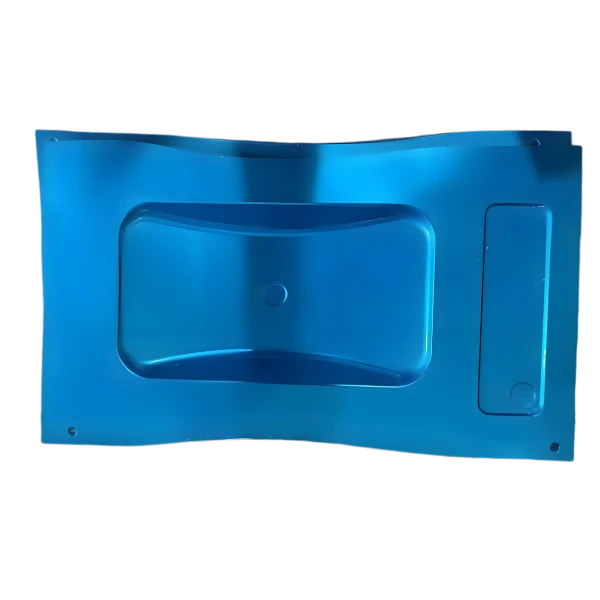
How to Choose the Right Stainless Steel Protective Film for Bending and Deep Drawing
- Select the Appropriate Adhesive Strength
The appropriate adhesive strength depends on many factors, including the type of stainless steel surface, the degree of forming, and the required protection period. When selecting, the initial adhesion strength of the protective film and the adhesion performance after forming should be evaluated at the same time.
- Evaluate Film Thickness and Elongation
During the bending process, the film needs to follow the shape of the sheet to avoid severe wrinkling or tearing. In addition to the thickness, the tensile strength and other properties of the film also need to be considered. When purchasing, you can explain the actual situation to PE stainless steel protective film suppliers and choose the appropriate specifications.
- Consider Adhesive Type and Cohesive Strength
The adhesive used for bending and deep drawing should be able to maintain a stable bond when the metal shape changes, while avoiding excessive stress on the film edge. In addition, it is necessary to consider the compatibility between the adhesive and the stainless steel surface and the lubricant that may come into contact with during the processing.
- Match the Protective Film to the Type of Stainless Steel Surface
Different stainless steel surface treatment methods may require different specifications of protective films. Before selecting, the specific surface type of stainless steel should be clarified, and its cleanliness and surface condition should be checked.
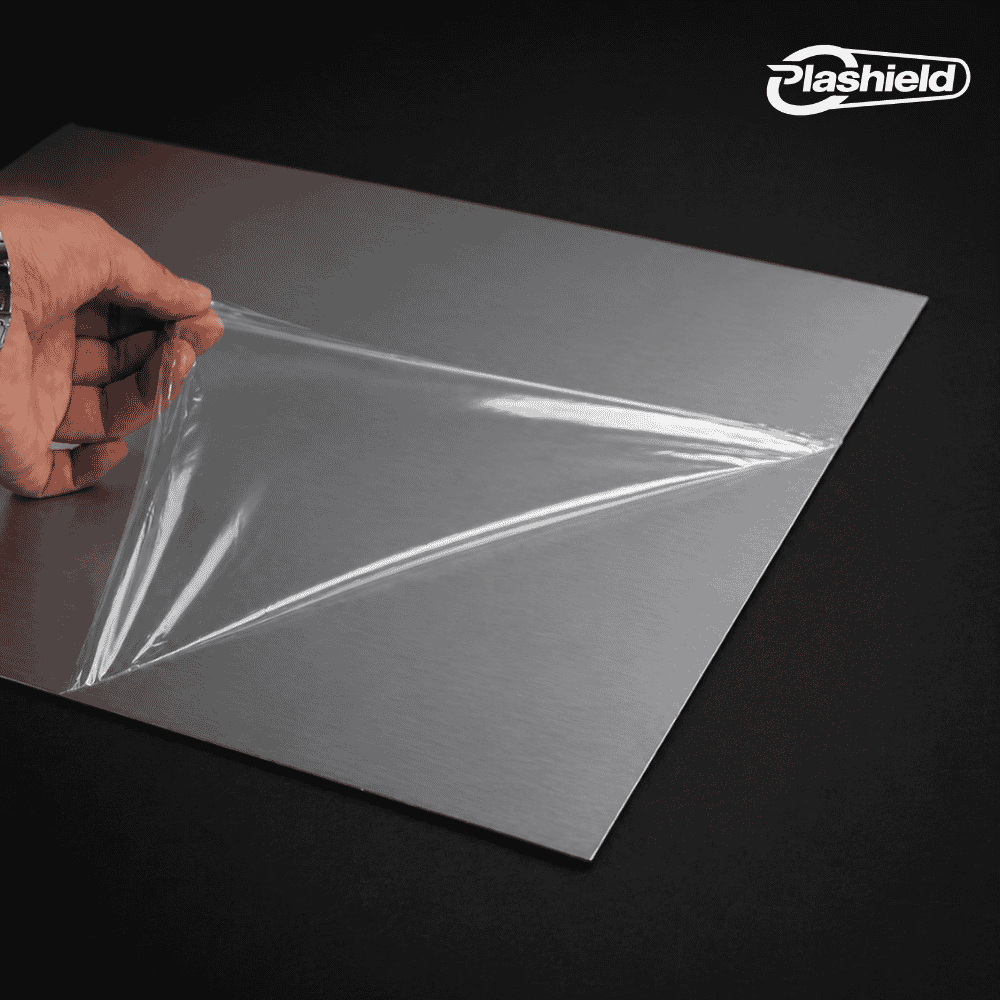
Why Choose Plashield Stainless Steel Protective Film for Forming Applications
For demanding metal processing scenarios, Plashield is committed to providing protective film solutions that can cope with bending and deep drawing conditions. As a PE stainless steel protective film factory with more than 20 years of experience, we offer reliable reliable product supply and quality assurance. Plashield can help you choose the appropriate protective film specifications according to the type of stainless steel surface, protection requirements and processing conditions. At the same time, Plashield can provide multiple customized options such as film thickness, roll specifications, and color according to the specific situation and needs of customers.
For manufacturers who want to reduce surface defects and improve the protective effect of metal forming processing, it is crucial to choose reliable PE stainless steel protective film factories. Please contact Plashield with details regarding your stainless steel surface type, forming process, and protection requirements to receive a customized quote and samples.
FAQs
- Why does stainless steel protective film lift or peel off during bending and deep drawing operations?
During metal forming, the protective film is subjected to intense tensile, compressive, and localized shear stresses as the sheet metal changes shape. If the adhesive lacks sufficient wetting ability, initial tack, or internal cohesion, or if it cannot withstand the shear forces, the film will wrinkle, stretch, or lift at cut edges and high-stress regions.
- How does the stainless steel surface finish affect protective film selection?
Different surface finishes alter the effective contact area and roughness between the metal and the adhesive layer. Mirror finishes are smooth and reflective, making adhesive marks and scratches easily noticeable, whereas brushed and satin finishes have distinct surface textures that affect adhesive contact. The choice of film must match the surface roughness, cleanliness, and texture of the stainless steel.
- What role do film elongation and mechanical flexibility play during metal forming?
As the metal deforms, the film base must stretch without tearing, wrinkling, or delaminating. A film that is too stiff cannot conform to tight bending radii and creates high stress at the edges, leading to curling; conversely, a film with insufficient tensile strength may overstretch or rupture under high stress.
- How determine whether protective film failure is caused by the adhesive or the base film?
Observe the failure pattern during forming. Edge lifting or progressive peeling may indicate insufficient adhesion or inadequate resistance to shear stress. Wrinkling, excessive stretching, and tearing may point to limitations in film flexibility or mechanical strength. Because several factors can produce similar symptoms, compare the film’s behavior across different forming conditions and inspect both the adhesive interface and the film itself.
- How should PE stainless steel protective film be stored before use?
Store the film in its original packaging in a clean, dry environment, away from direct sunlight, excessive heat, and sources of contamination. Temperature fluctuations and prolonged exposure to unsuitable conditions may affect adhesive performance. Follow the manufacturer’s recommended storage conditions and shelf life, particularly when the film will be used for demanding forming operations.
- How verify protective film performance before mass production?
Conduct a trial using the actual stainless steel grade, surface finish, forming equipment, lubricant, and processing parameters. Inspect the film for edge lifting, wrinkles, tearing, and displacement during forming. After processing, evaluate surface scratches, adhesive residue, and peeling behavior. A production-representative trial provides more reliable evidence than testing adhesion on a flat sheet alone.